In conclusion

It is difficult to compile all of the knowledge I gained on this trip in one concise post. With each day that I spent in both countries I learned something new about the place and even myself. I have never been in a different country longer than three weeks before and simply the duration of my stay taught me that I am genuinely curious and intrigued by how other parts of the world live. I came back to the states with a much greater appreciation for how these two countries operated, especially Iceland because it was so different. Before, I assumed that I could never see myself staying any longer in what I thought to be a desolate country. But although Iceland is small and most of their land is uninhabited, Iceland is rich with life, in nature and humanity. One of my favorite things about being in each place was simply seeing their pride for their country and love for their heritage. Returning back to the fast paced lifestyle of America made me wonder if I had taken parts of my trip for granted. Sometimes I forget that there is a world beyond the Richmond or Fort Worth bubble that I live in that is in some ways better and some ways worse than my own, and I am grateful that this trip helped me realize that. I feel so lucky that I was granted the opportunity to fully immerse myself in two completely different cultures for three weeks straight.
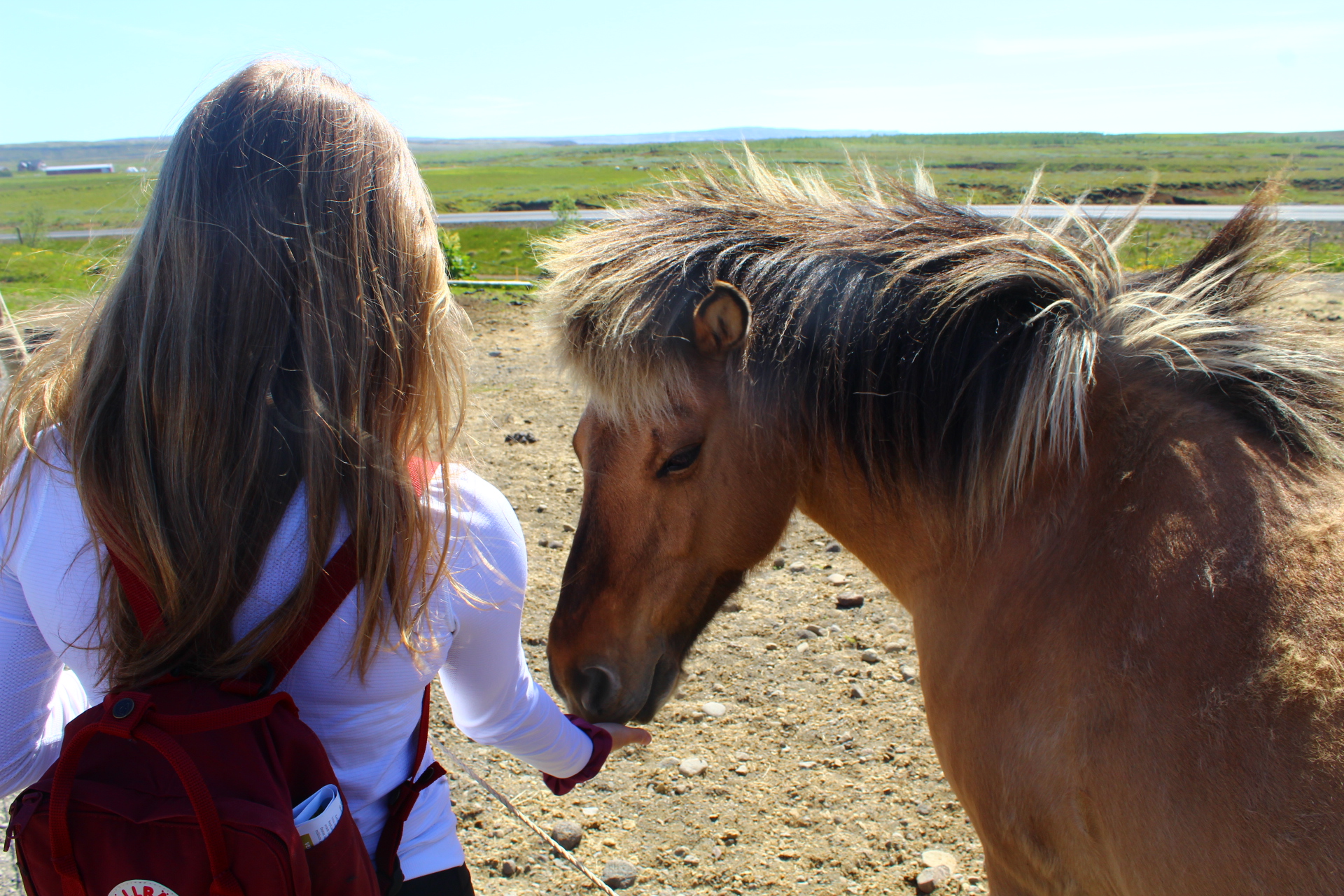
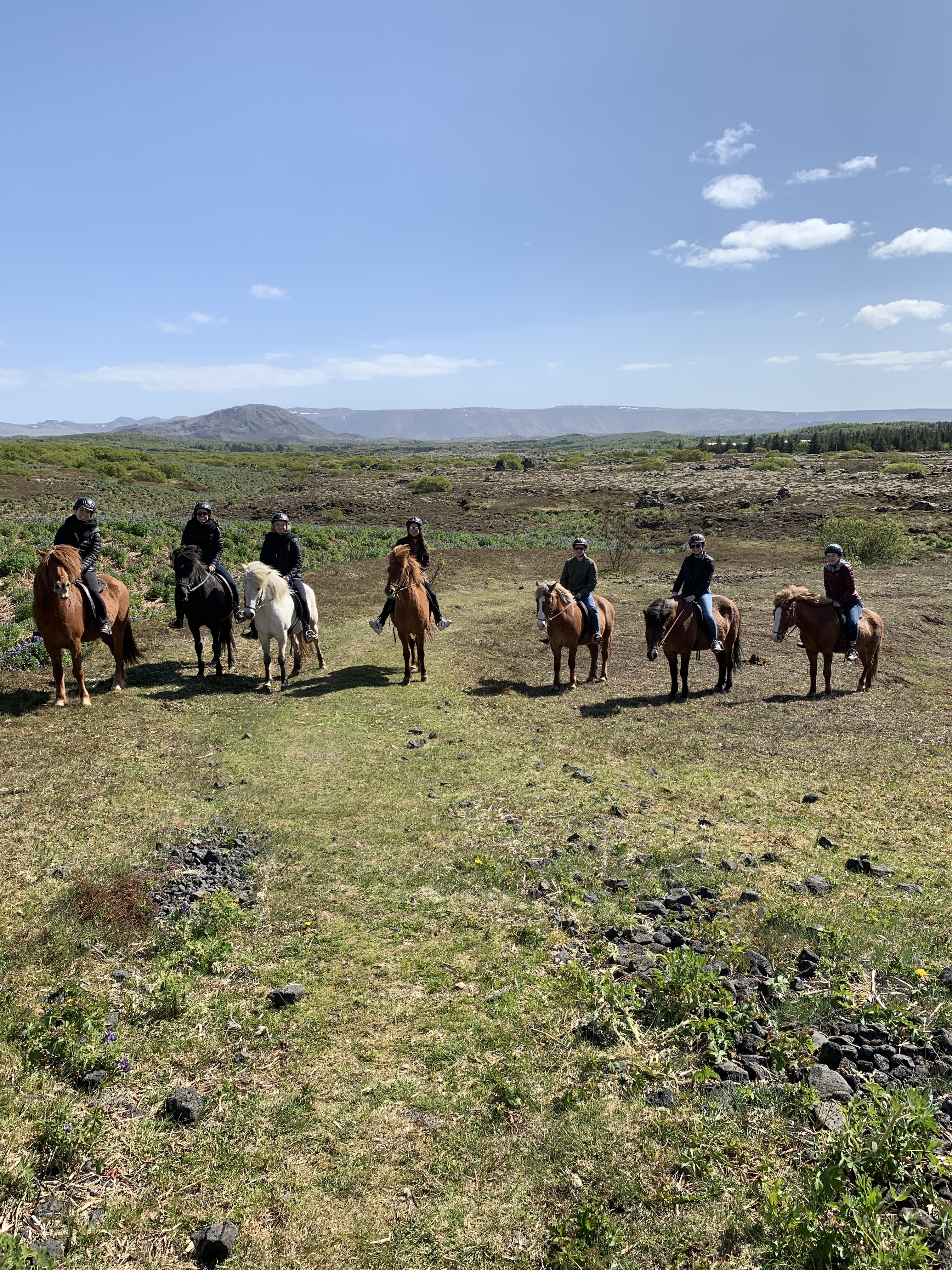
Icelandic Horses

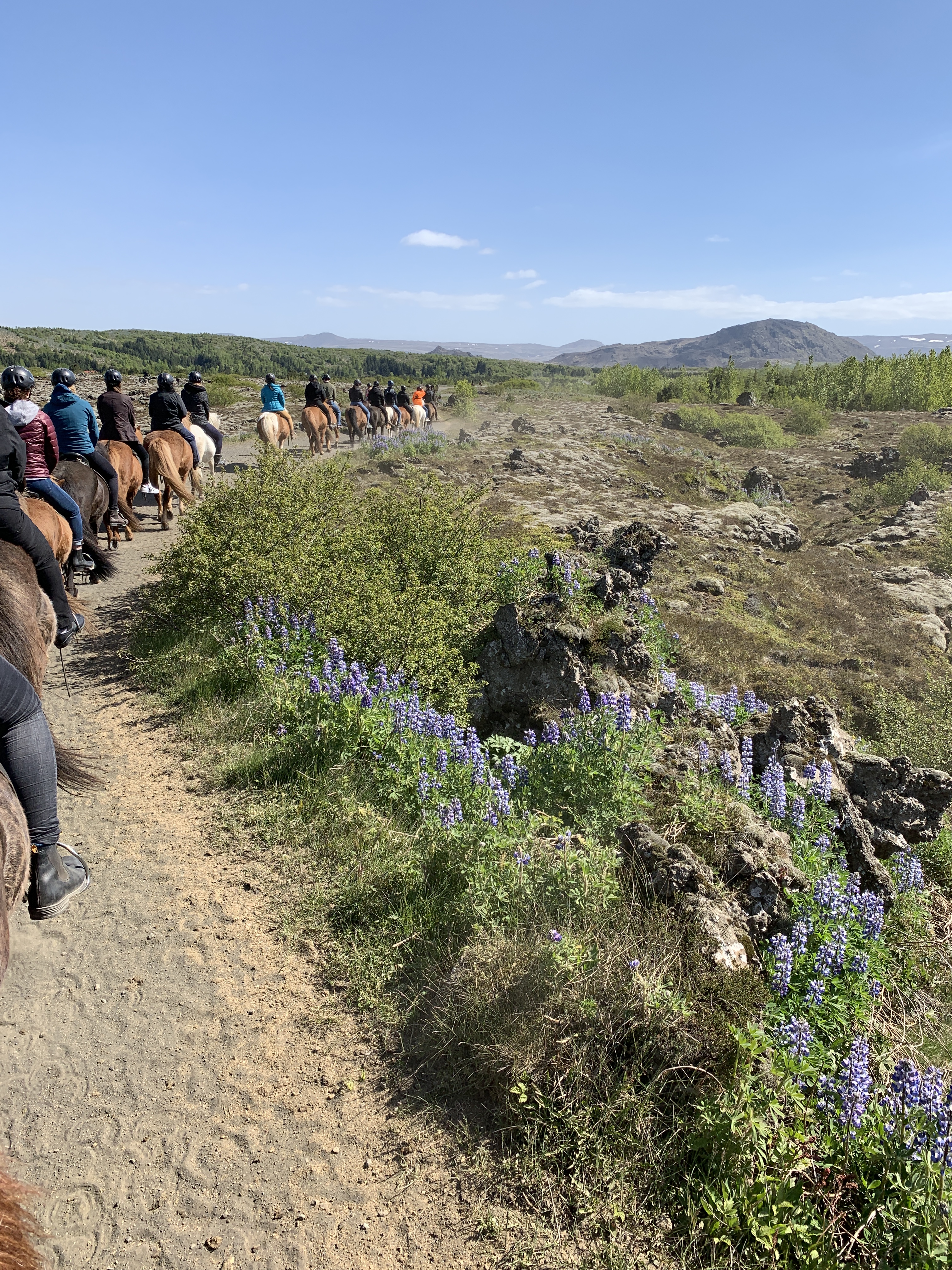
The very first thing I told myself that I was going to do in Iceland was ride an Icelandic horse. I grew up horseback riding and the instant that I saw a picture of the horses in Iceland, I was sold. I knew this was going to be one of my favorite parts of the trip and I was right. This tour in particular was an hour trail ride through the lava fields in the countryside. Upon arrival, they asked about your experience and paired us with a horse respectively. Then, we all got in a single file line and began our ride. Icelanders are very proud of these horses because they are only native to this land. They are smaller than what you would expect compared to the horses we have in the US. I made the mistake of calling them ponies to which I was immediately corrected that they are not. In their defense, they really are built much stockier and stronger than the average pony. Their fur is thick and long to withstand the cold winters and they are a very unique breed. We also learned that they have an extra gait that no other horses have which we got to experience on our ride. The tour was very organized and in the middle the allowed for a break to take pictures in the field. While I think this excursion is completely worth it, the horses are everywhere in Iceland and you can always see them while you are just traveling the island!

Snæfellsnes

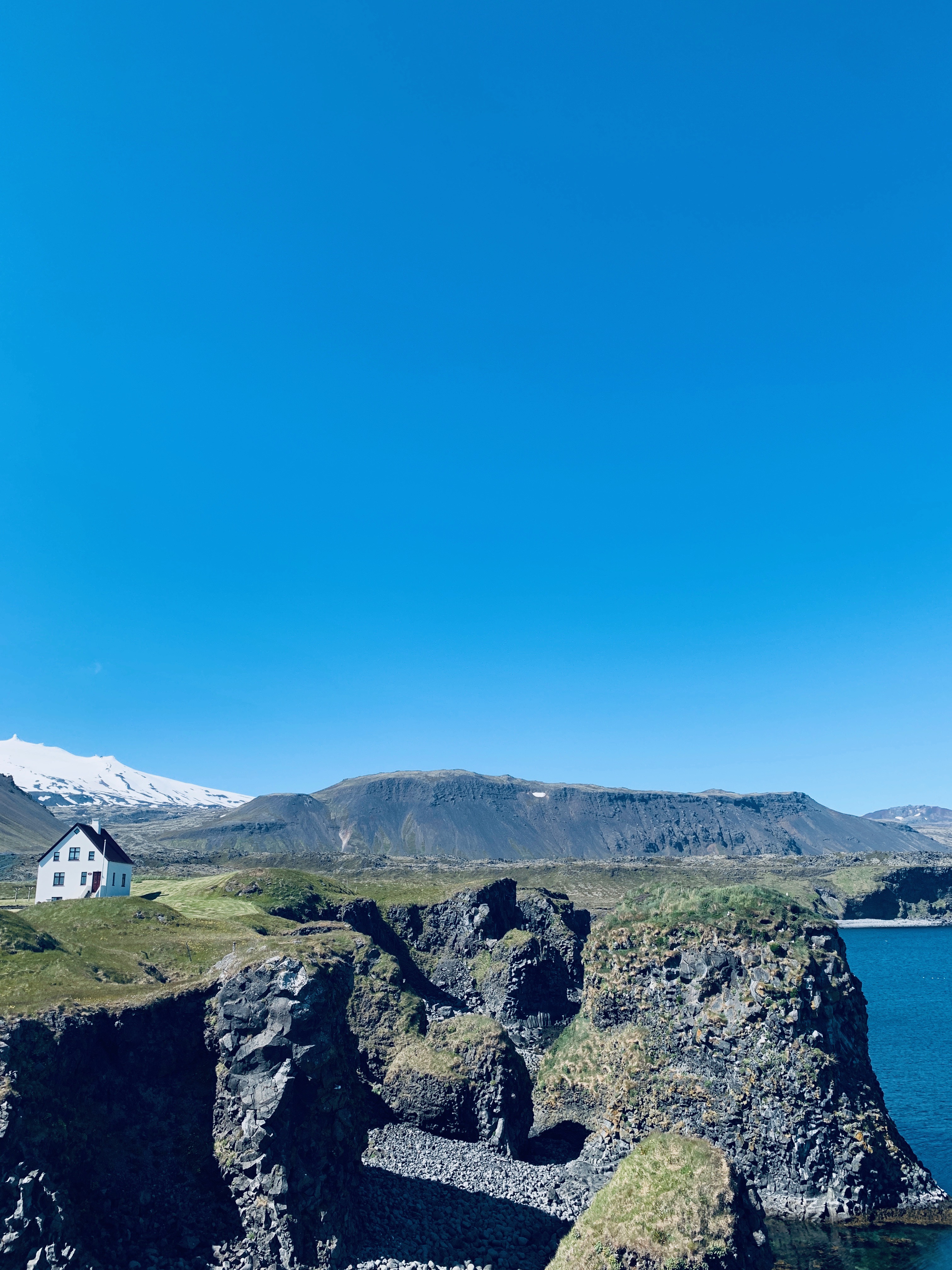
Glacier on Snæfellsjökull Volcano

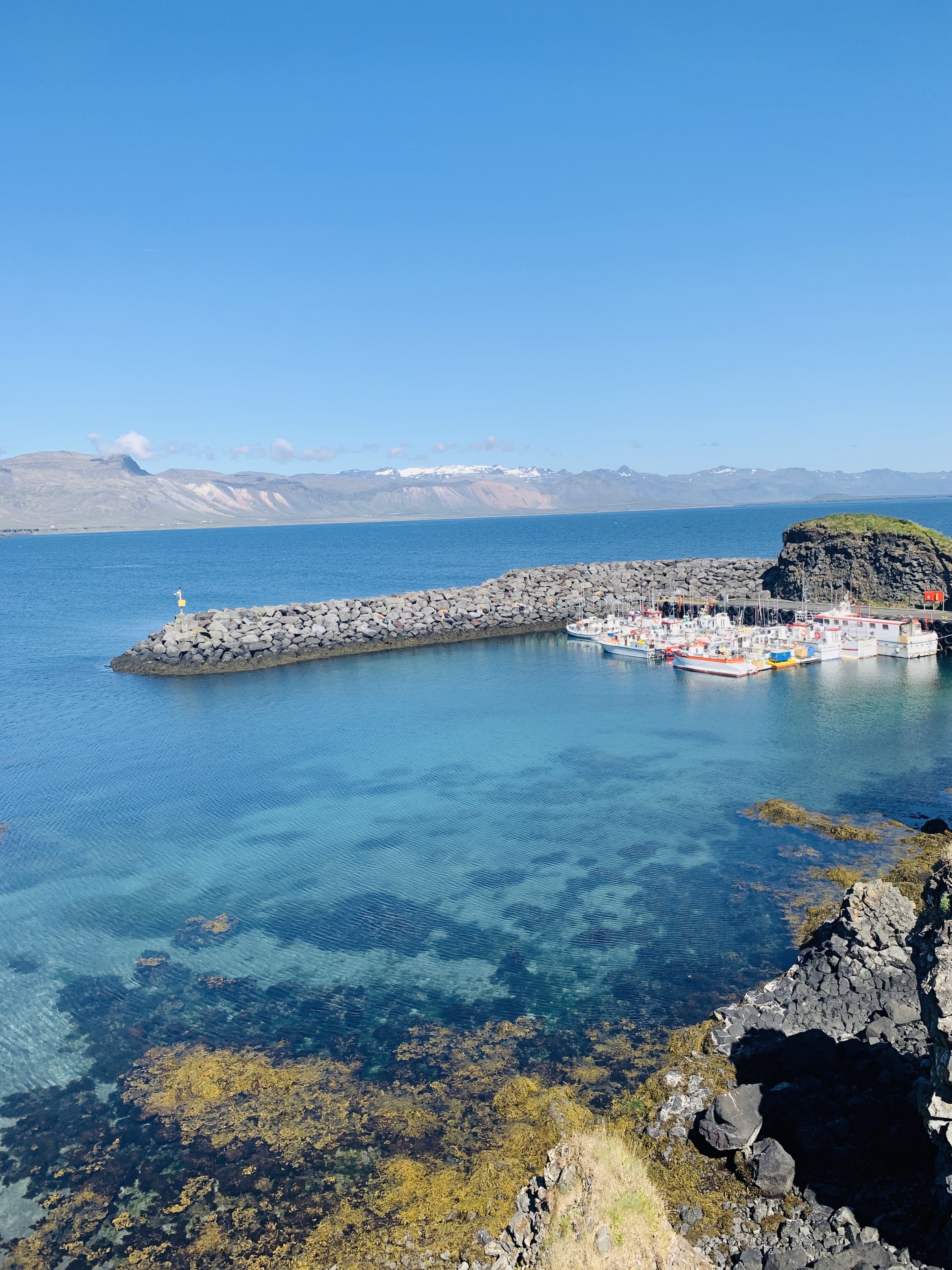
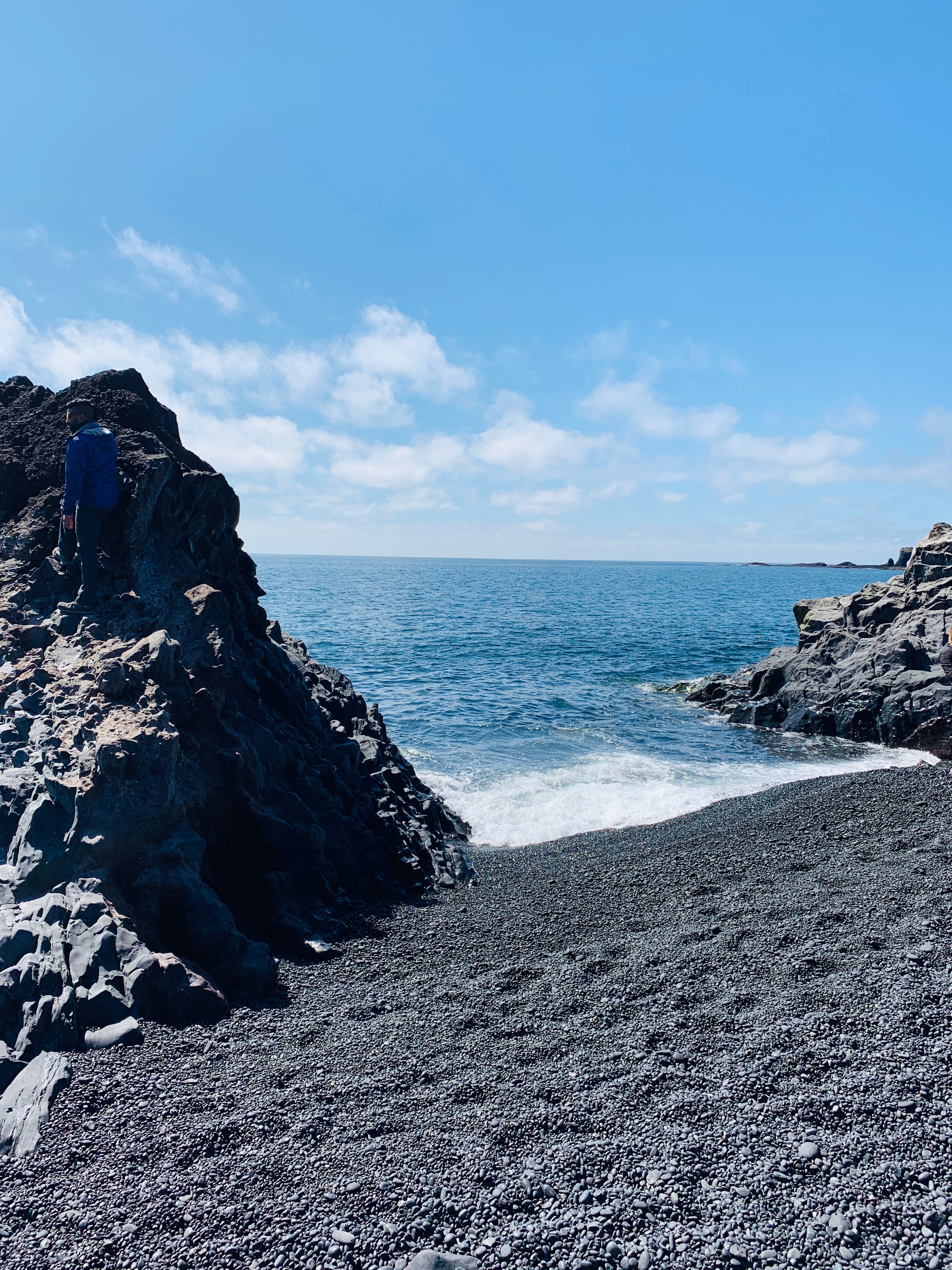
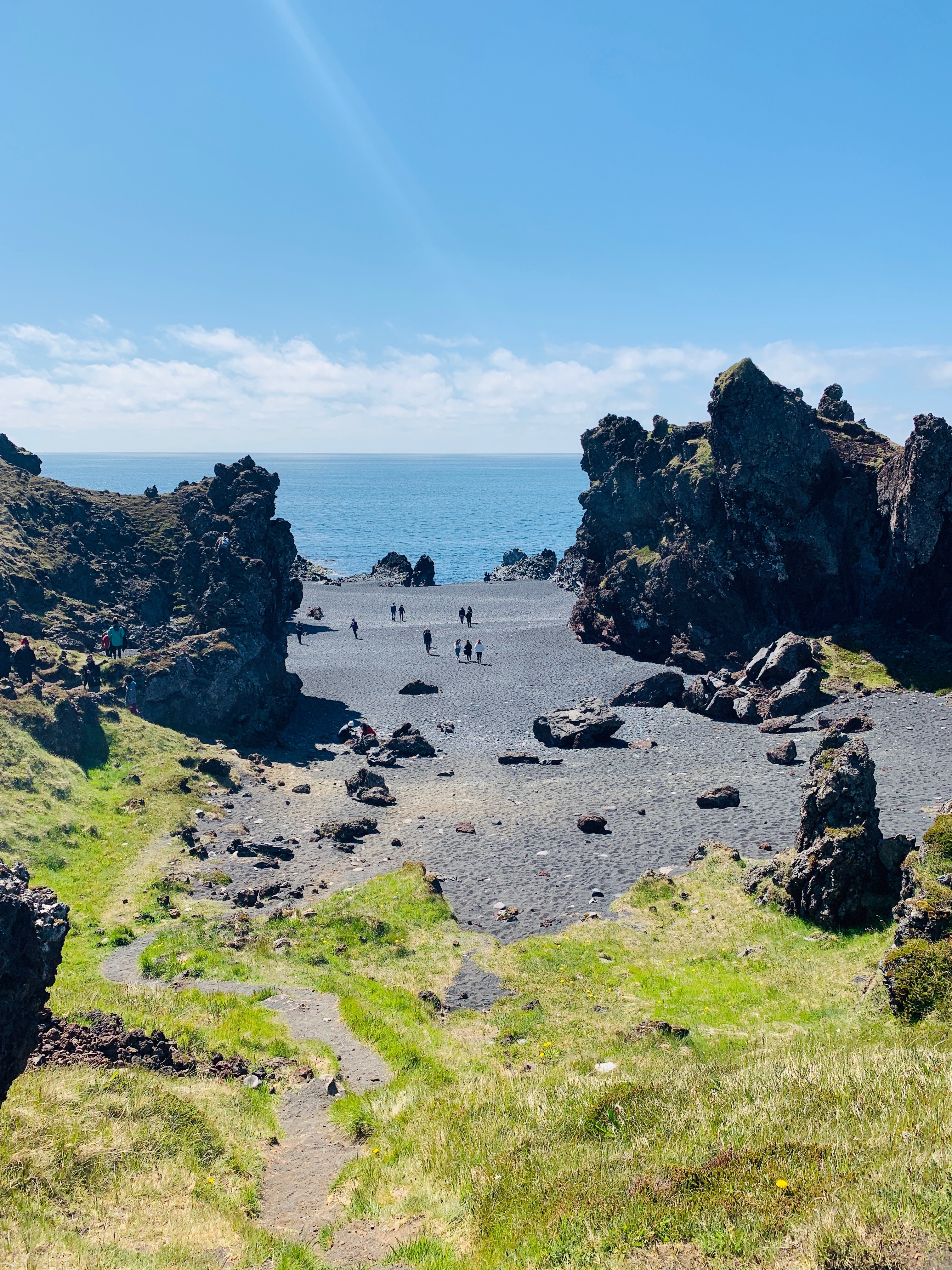
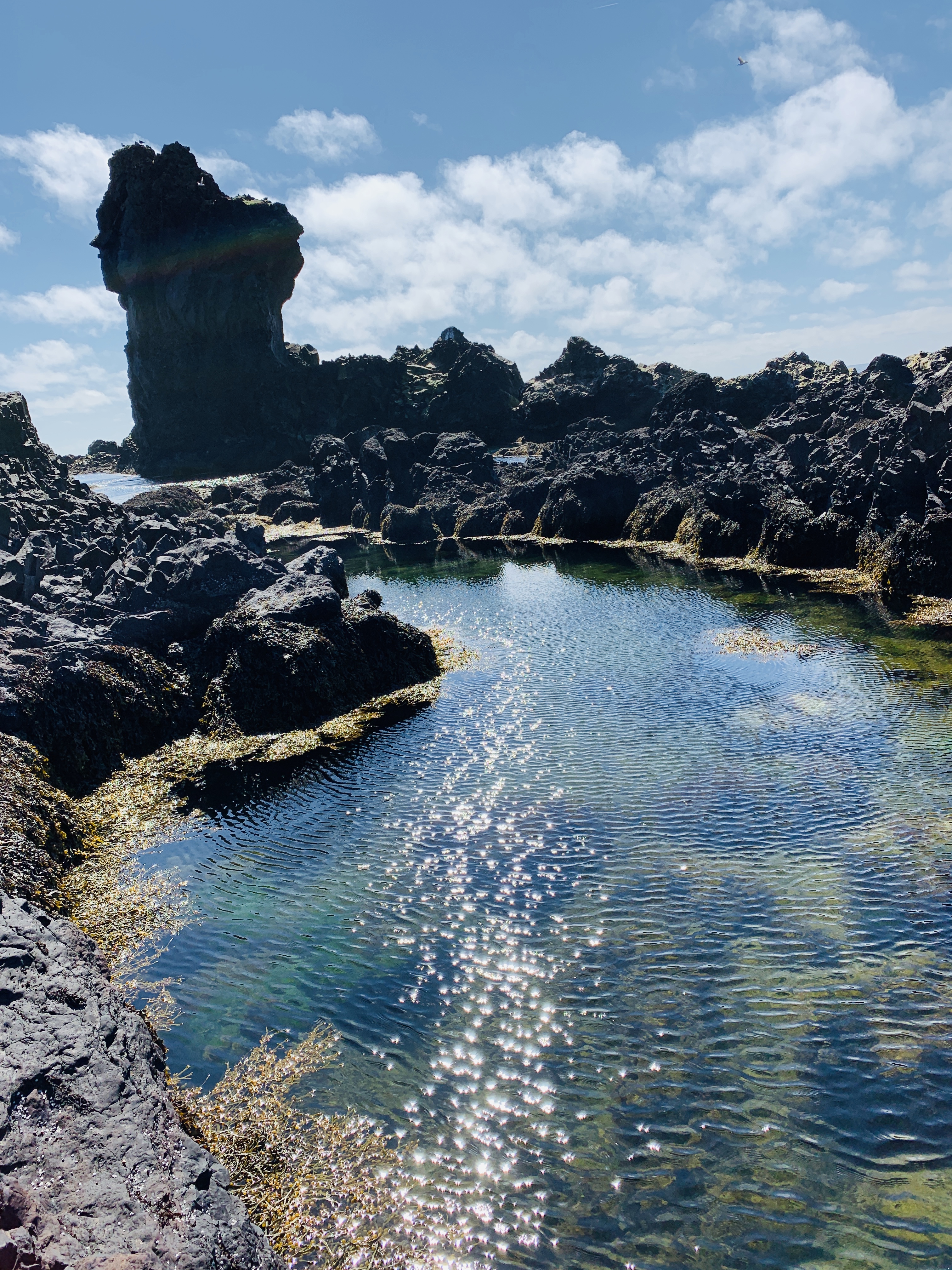
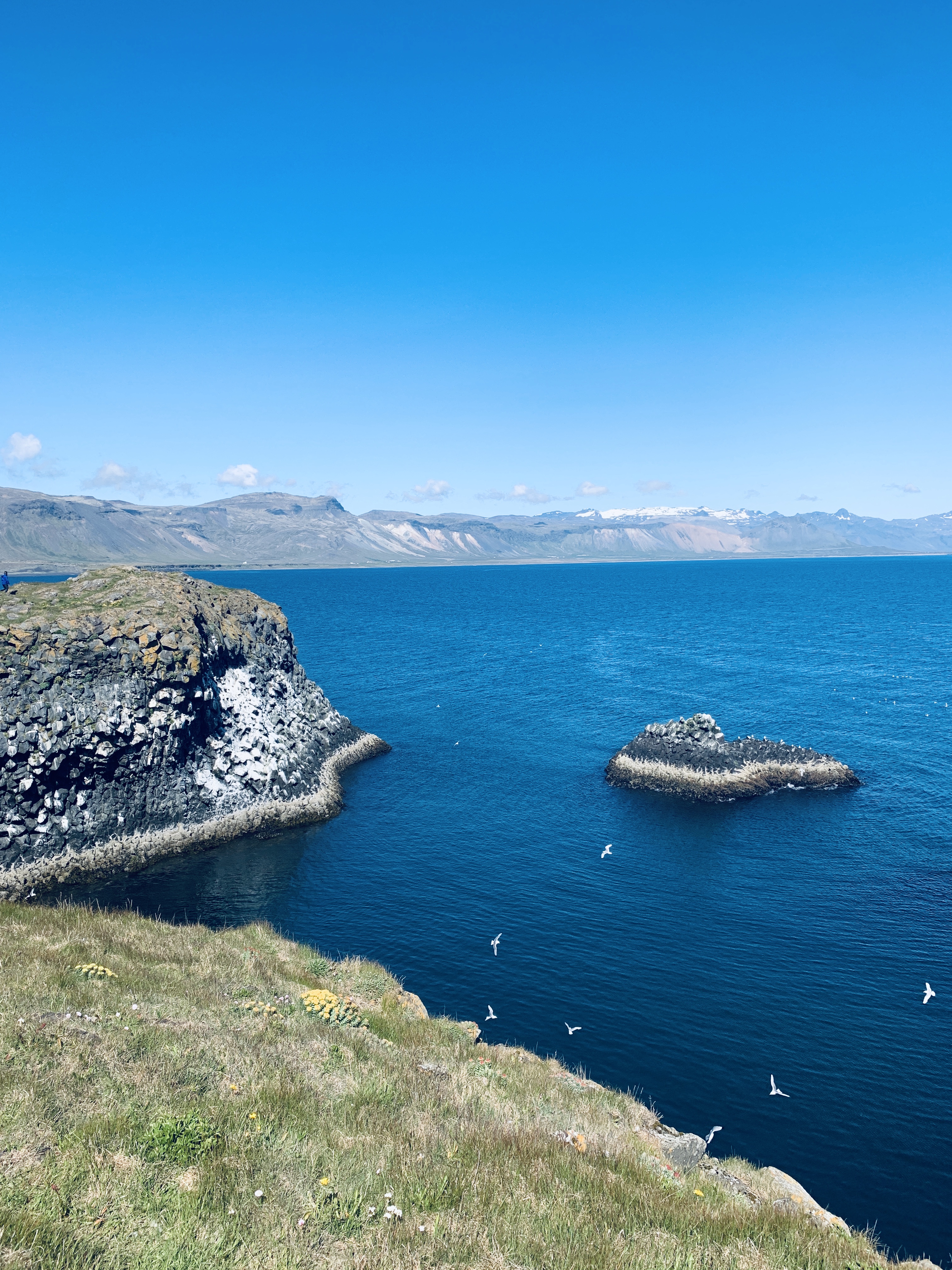
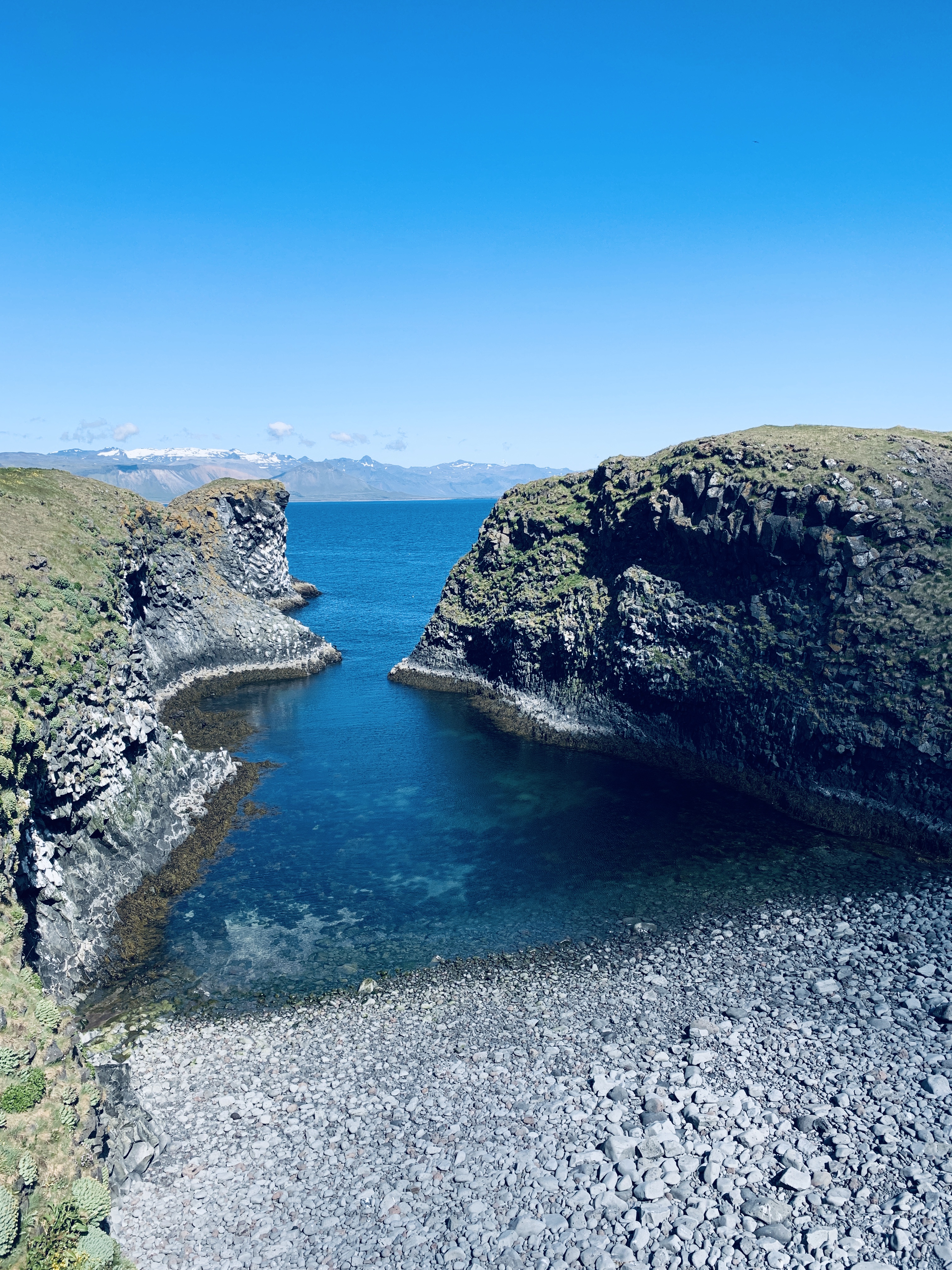
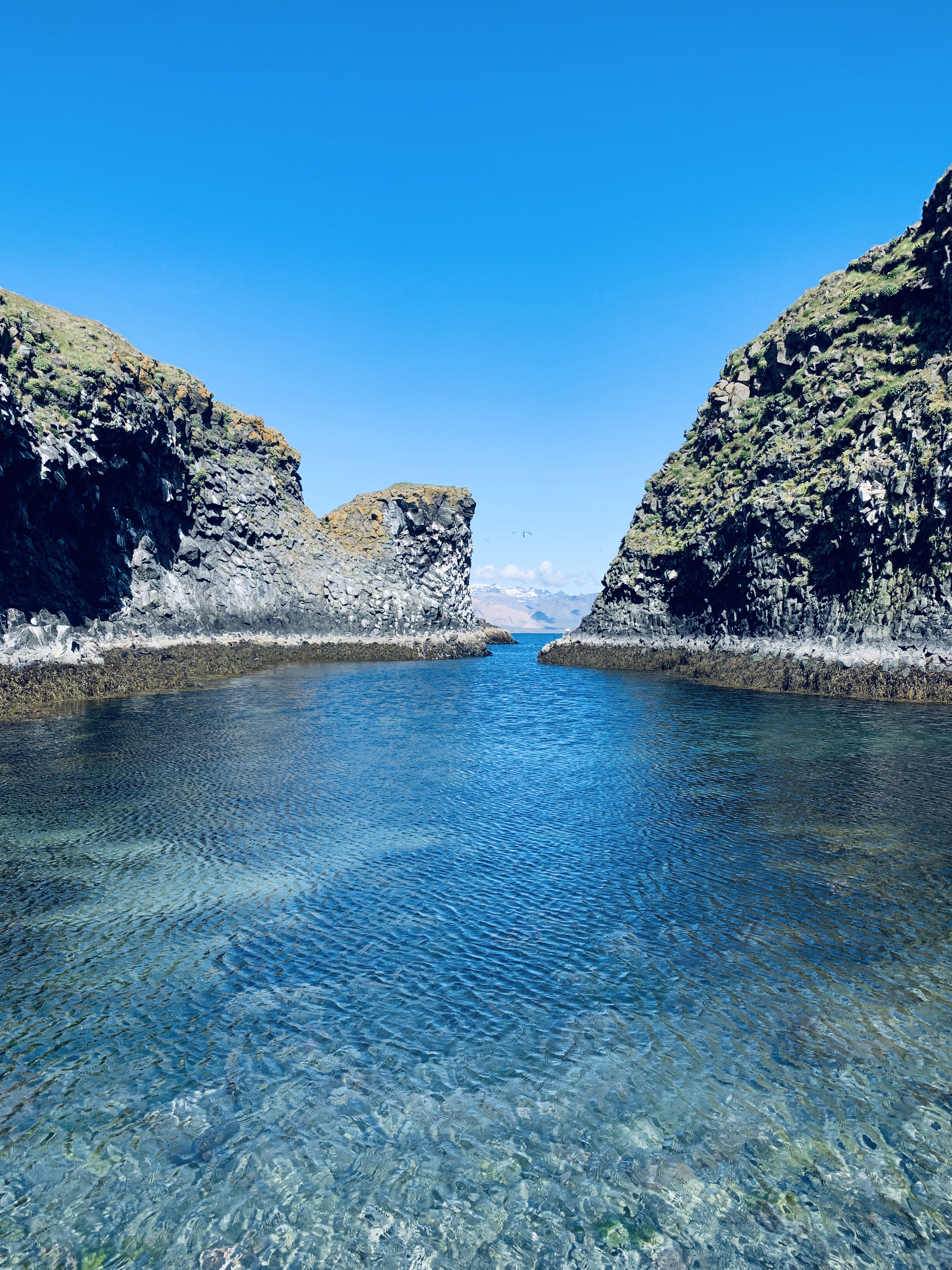
Snaefellsnes is a national park located in Western Iceland, about two hours outside of Reykjavík. Our bus tour was 11 hours in total as we made several stops for sightseeing and a delicious lunch. Of the three bus tours we took throughout the trip, this one was my personal favorite. The black sand beaches, the cliffs, and lunch in the fishing village made this tour especially worth the long day. We visited two different black sand beaches on this tour. It is such an incredible sight to see how black the sand is against the crystal clear water. I kept thinking what a shame it is that they are not able to take advantage of the beach like we can in the summertime but despite the weather, I could’ve stayed there for hours. Because of this, my classmate and I were late returning to the bus at this particular stop and as punishment we were asked to sing a song (of our choice) in front of the entire 50 passenger bus. After that production, we drove to a small fishing village called Vík. Here, we ate freshly caught haddock brought in from the harbor only a few hours before our arrival. I learned that fish is such a large part of Iceland’s culinary tradition and you can truly tell how much they care about it when you taste how fresh and perfectly prepared it is. After lunch, we finished our tour by taking a walk along the coastline’s incredible cliffs.

Fishing Harbor in Vík

Reykjadalur Hot Spring River & Hike

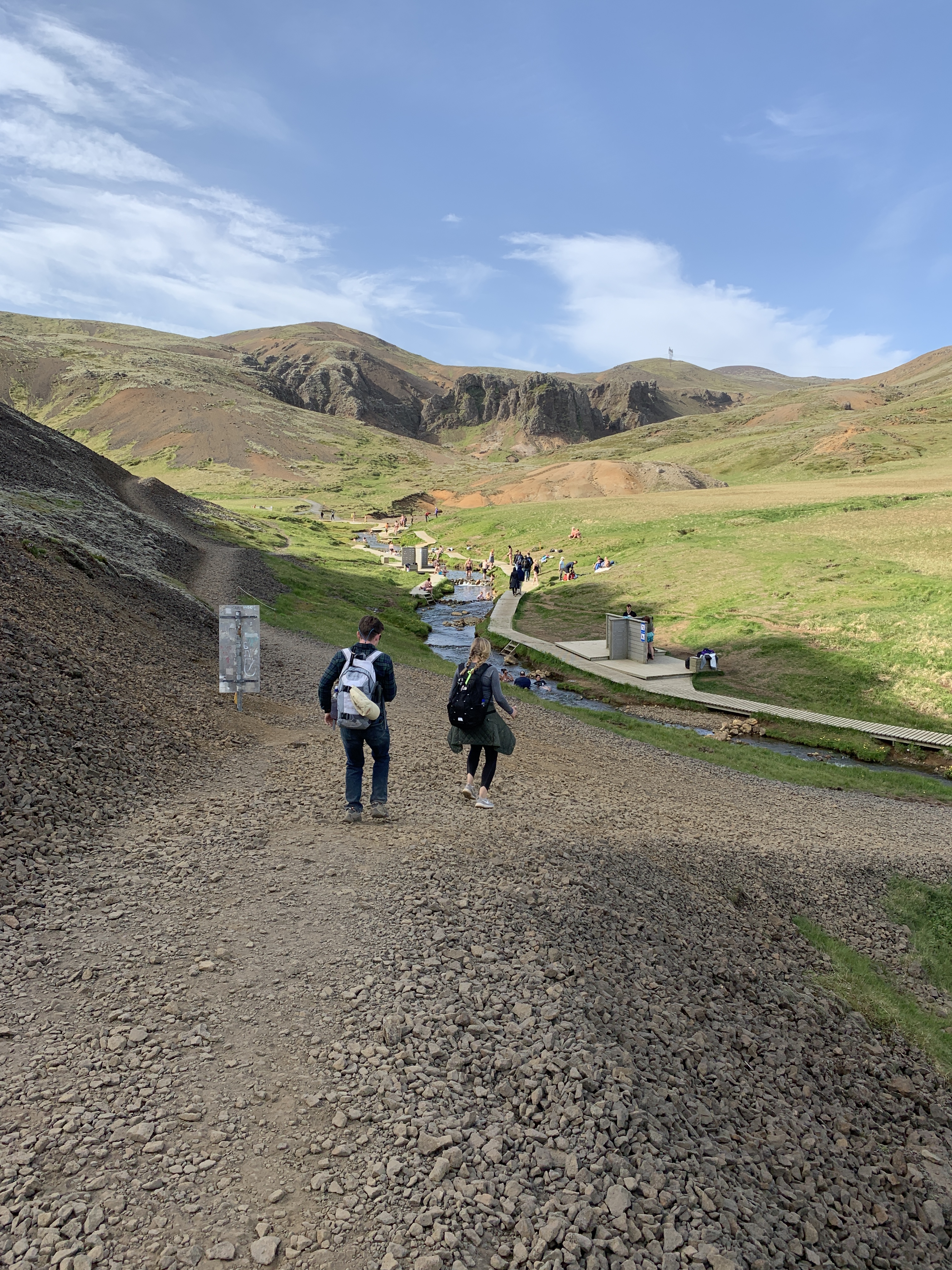
After our visit to Landvernd, we had the rest of the afternoon to explore as we pleased. At this point in the trip, we hadn’t seen anything outside of the city so we asked the receptionist at the hotel if she had any suggestions. She told us there was a small town about 45 minutes away where we could take an “easy” hike to a natural thermal river. We immediately gathered all the information we needed and set off for our afternoon adventure. Two public buses, a five mile walk, and four hours later, we finally made it to the river. I put “easy” in quotations earlier because my nike running shoes and half empty water bottle were no match for the incline and duration of this hike. I joke about it now because had I known that it was going to be 10 miles roundtrip beforehand, I would’ve said absolutely not. Luckily, the entire experience was completely worth it. The hike was beautiful with incredible views of waterfalls, cliffs, and multiple hot springs along the rivers edge. There is also something to appreciate about going on an excursion (if it is safe to do so) without a guided tour. For most sightseeing it is helpful to have a guide to explain the landmarks and answer questions but taking one on our own and being on our time made for a very pleasant leisurely afternoon. This spot seems to be a hidden gem that is not as crowded as other tourist attractions we visited. I would recommend this as a day trip to anyone traveling to Iceland.

Landvernd

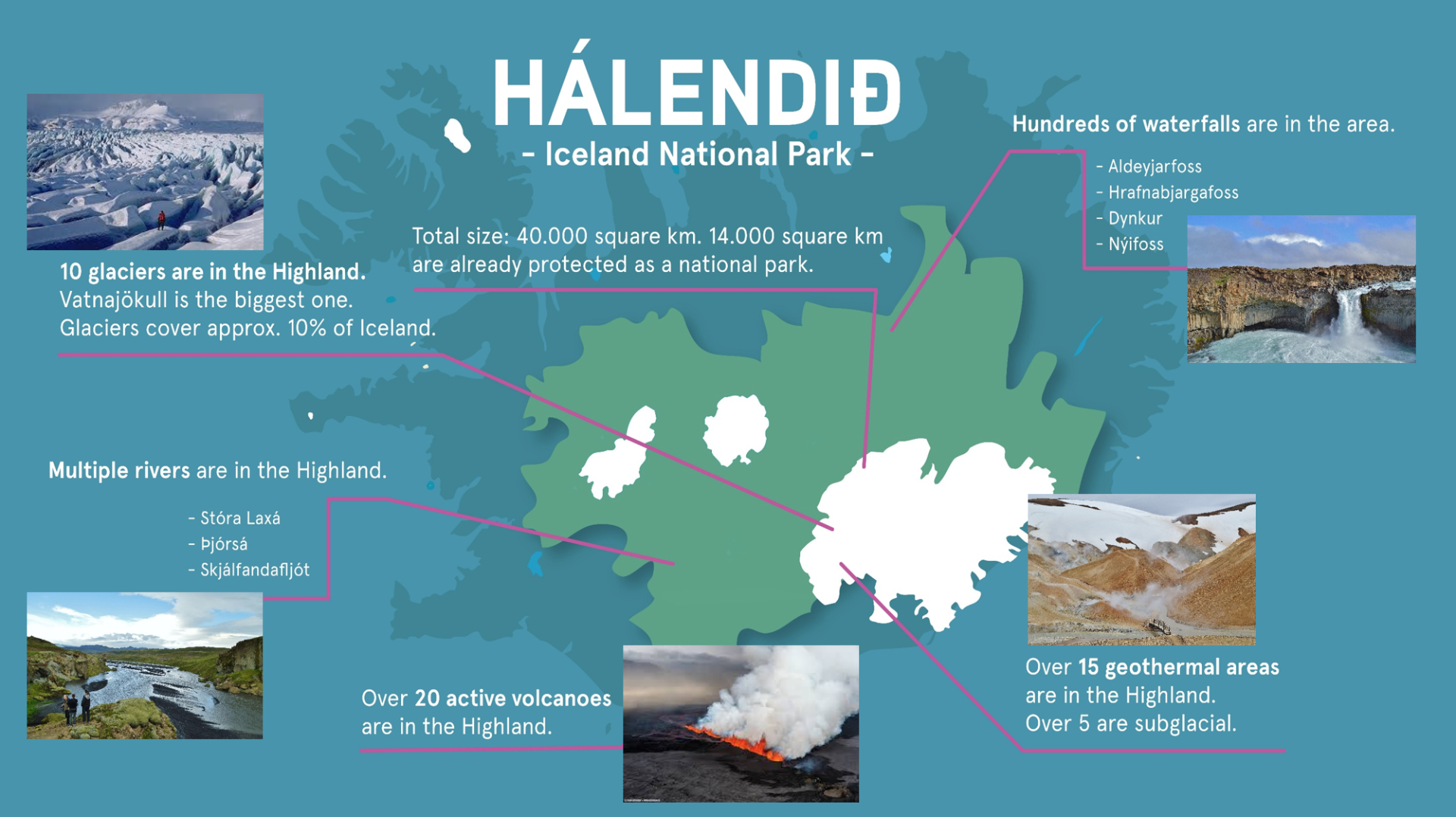
Today, we visited Landvernd, a non-governmental organization dedicated to protecting Iceland’s nature and overall environment. Here, we met with a member of the organization who presented on the environmental issues that Iceland faces today, the progression of the damage, and what needs to be done moving forward. Our speaker began the presentation by defining the term, sustainable development. The organization believes it to be, “development that meets the needs of the present without compromising the possibilities of future generation to meet their own needs”. This definition really stuck with me because I believe that people are less likely to take care of our planet since they are not necessarily directly affected by the consequences of the future. In other words, because resources will not be depleted in my lifetime, I should not have to worry, right? Wrong. This definition makes a point to say that we must be thinking beyond our generation and throughout the presentation, I felt more and more responsible. There is a set of 17 sustainable development goals, used universally, that represent the largest environmental issues and Landvernd is currently using some of those goals in their upcoming projects. Their four main focuses for 2019-2021 are: nature conservation, sustainable society, environmental education, and climate change. One of Landvernd’s largest projects, at the moment, is working towards expanding the national park throughout all of the highlands to prevent damage by tourists in order to achieve nature conservation. This project would protect the land, provide education and awareness about conservation, and provide jobs and income for native Icelanders.

Here is a video that goes into more detail about the project and its great benefits! https://vimeo.com/157900805

Icelandic Women’s Rights Organization

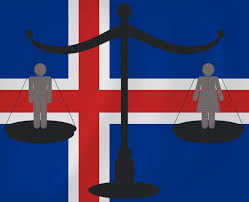
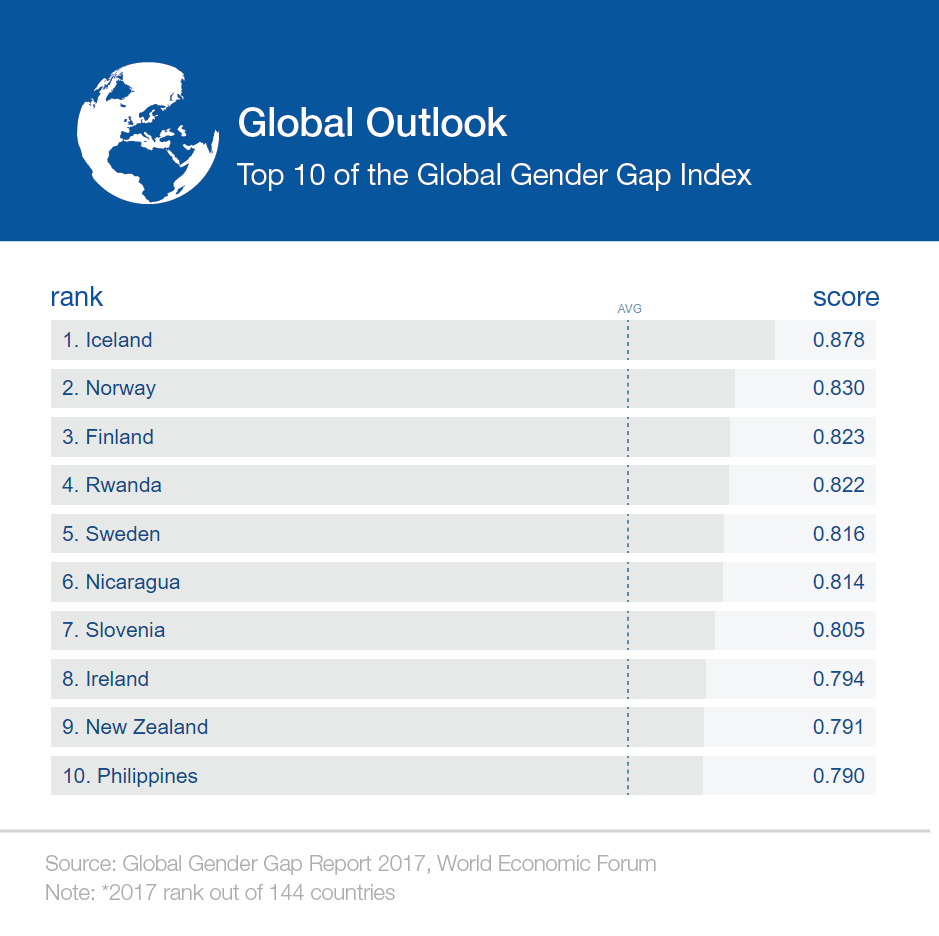
Before coming on this trip, I pictured all of our meetings with speakers and organizations to be in large conference rooms, at a long table, listening to presentations that only allow for questions at the end. While this is how a few of our meetings have been, some of them are held in quaint office spaces where we sit closely together, silently observing the decorations in the room before diving into meaningful conversation about the topic at hand. This is how it was at the Icelandic Women’s Rights Organization and the setting could not have been more appropriate for our visit. We openly spoke about everything from the definition of feminism to the attitude surrounding sex, birth control, and abortion in the country. Prior to the trip, we were asked to do some research on these topics specifically and I was surprised to find out that some of my understanding about women’s rights was false. Iceland is ranked number one in gender equality and has been for the past seven years, yet, there is still a wage disparity for women. Our speaker explained to us that the small percentage that represents this pay gap has been skewed by factors that should not be taken into account when comparing the raw numbers. Income inequality is not the only issue. Sexual harassment, underrepresentation in political positions, and general discrimination against women still exist as well. The craziest part about all of this, is that Iceland does have a large number of women represented in their political system, and their businesses are required to present a 40:60 ratio women to men, and it is considered the safest country in the world yet they are not 100% gender equal. During our final debate, this is something we tried to really dive into: what would a 100% gender equal country look like? And is the solution attacking the laws and policies or is it changing the overall stigma?

Landspítali Hospital

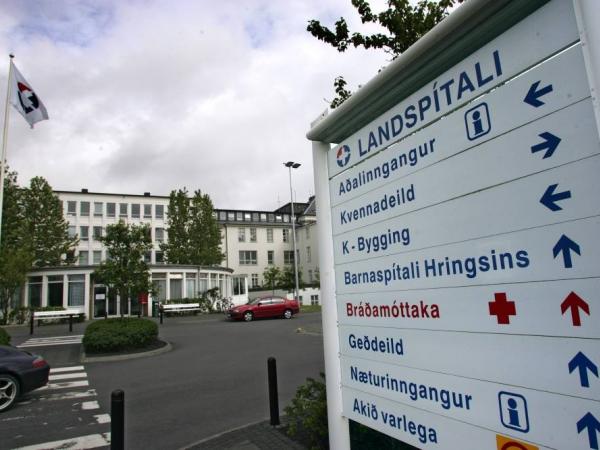
On our second day in Iceland we also had the chance to visit their main hospital, Landspítali. Their largest location is located in Reykjavik and they have an additional 17 smaller locations scattered along the coast of the island. All nursing students come through Landspítali for education as they are the only hospital that works in conjunction with the University to provide what they closely described as clinicals. An interesting difference in Icelandic nursing education compared to the United States is that there is no National Council Licensure Examination (NCLEX) for nursing graduates. Simply graduating earns them their license and continuing education to maintain it does not seem as strict as it is in the US either. Similarly to the US, there is a major shortage of nurses in Iceland. Our speaker stated that she would easily hire 200 nurses today if she could, expressing that the shortage was becoming a large issue most likely due to low pay and other competitive job markets. However, even with this shortage, the hospital is the only one on the island that has the resources to care for all types of births. All other hospitals are only acceptable for births greater than 34 weeks and low risk births only. We had the opportunity to speak with the head midwife on site and learned about the various practices used during the labor process that are not as recognized in the states. The main difference is the use of midwives. For every labor, each woman will have a personal midwife throughout the delivery and only if necessary, will an obstetrician be involved. This is definitely not the standard practice in the states and could possibly reflect the differences in maternal and infant mortality rates between the two countries. They also use other practices for pain that were different from the US where epidurals are usually highly recommended. For instance, they readily provide nitrous oxide for pain relief as well as aromatherapy and acupuncture. They also use water baths, massages, and yoga balls. As progressive and patient centered this hospital seemed, they are still struggling to improve their high induction rate. However, their use of midwives who continue to push for natural births that are in no way physically or drug induced should eventually help this issue.

University of Iceland

On our second day in Iceland we met with three speakers at the University of Iceland on various topics regarding women’s health. At the University, our first speaker spoke specifically on the topic of trauma and the study that the University is working on at the moment to identify how the prevalence of trauma and stress effect the health and wellness of the woman. The data used in the study measures physical violence, emotional abuse through the internet and social media, and sexual abuse. Currently, 1/3 of the population of women in Iceland are participants for the study and they are looking forward to their final results in 2019. The second speaker focused on cesarean section rates and explained how the optimal percentage defined by The World Health Organization (WHO) is 15%. WHO says that percentages higher than this cause statistics of maternal and infant mortality to rise and percentages below 15, are shown to be detrimental to a countries mortality rate as well. The last speaker shared a pilot study that she was involved in, regarding prenatal care. In Iceland, most prenatal care is free due to Universal Healthcare, making it one of the safest countries in the world to have a baby. However, the pilot study was held to see how group sessions involving the partners and facilitated by midwives, could improve the pregnancy process. These sessions were integrated into the ten standard appointments that women have before labor. The results found that these group sessions were very beneficial for the mother and her partner in answering questions, providing education, and decreasing anxiety about pregnancy, labor, and parenthood.

Reykjavík City Tour and Hallgrímskirkja Church

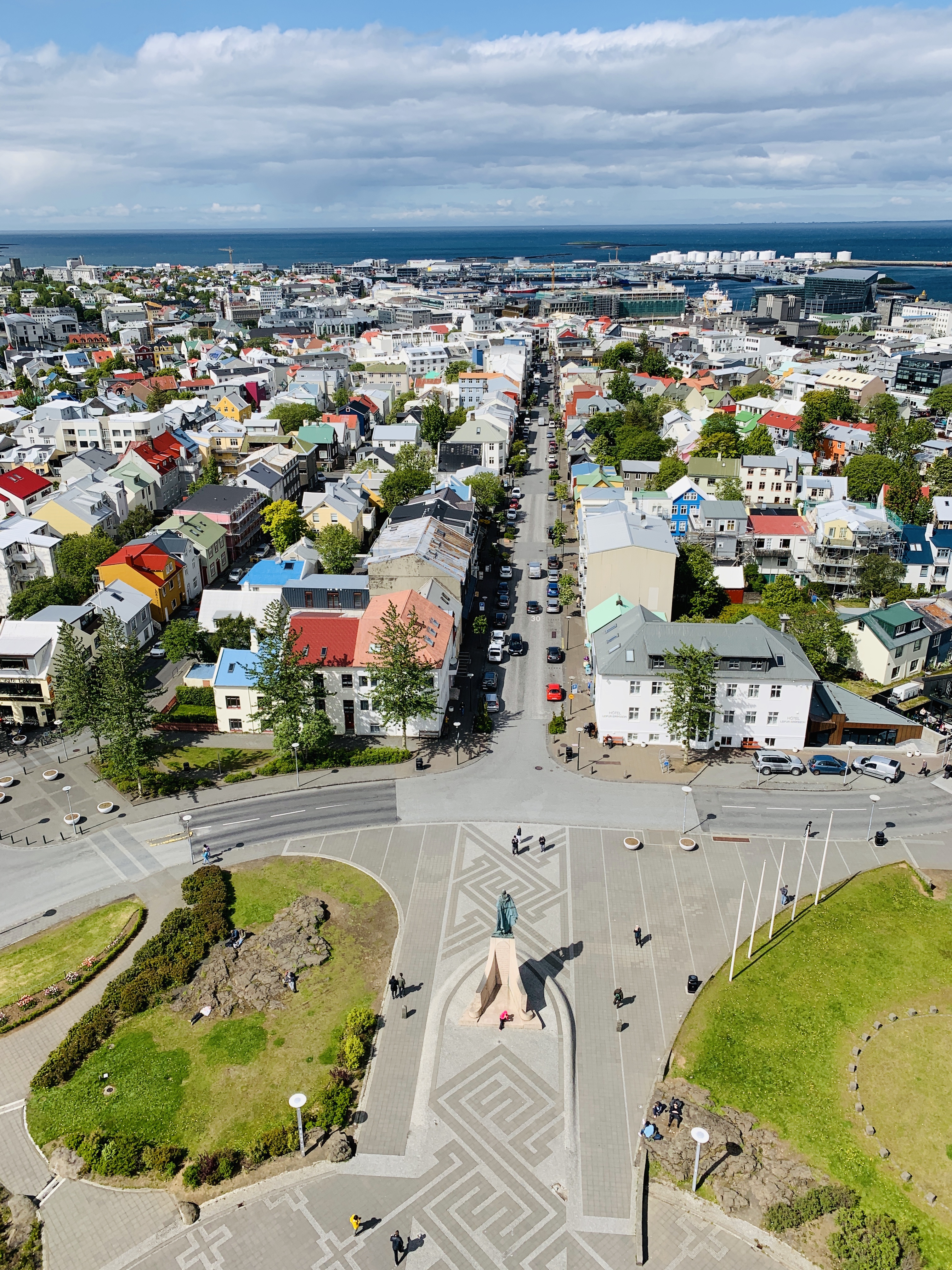
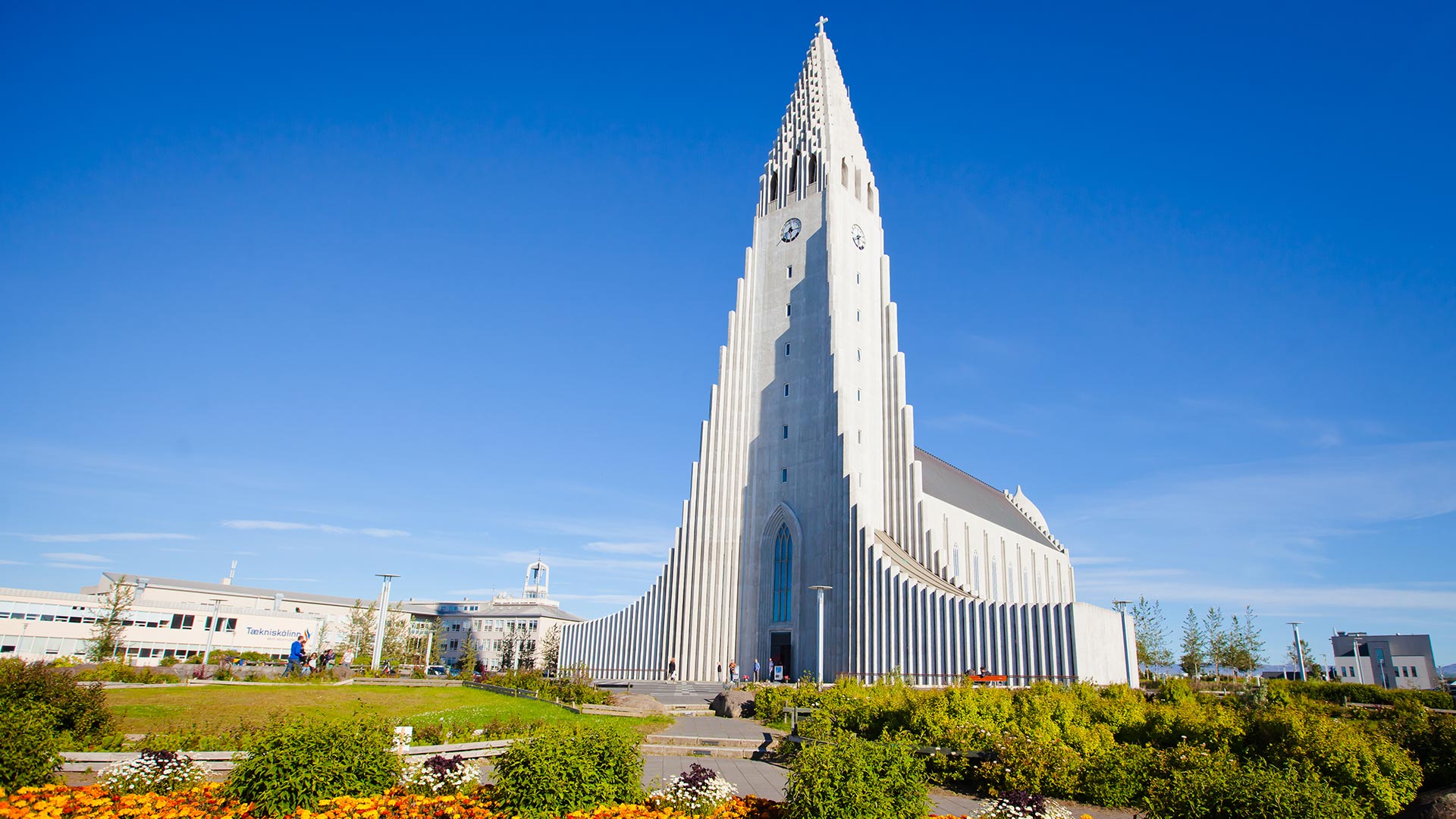
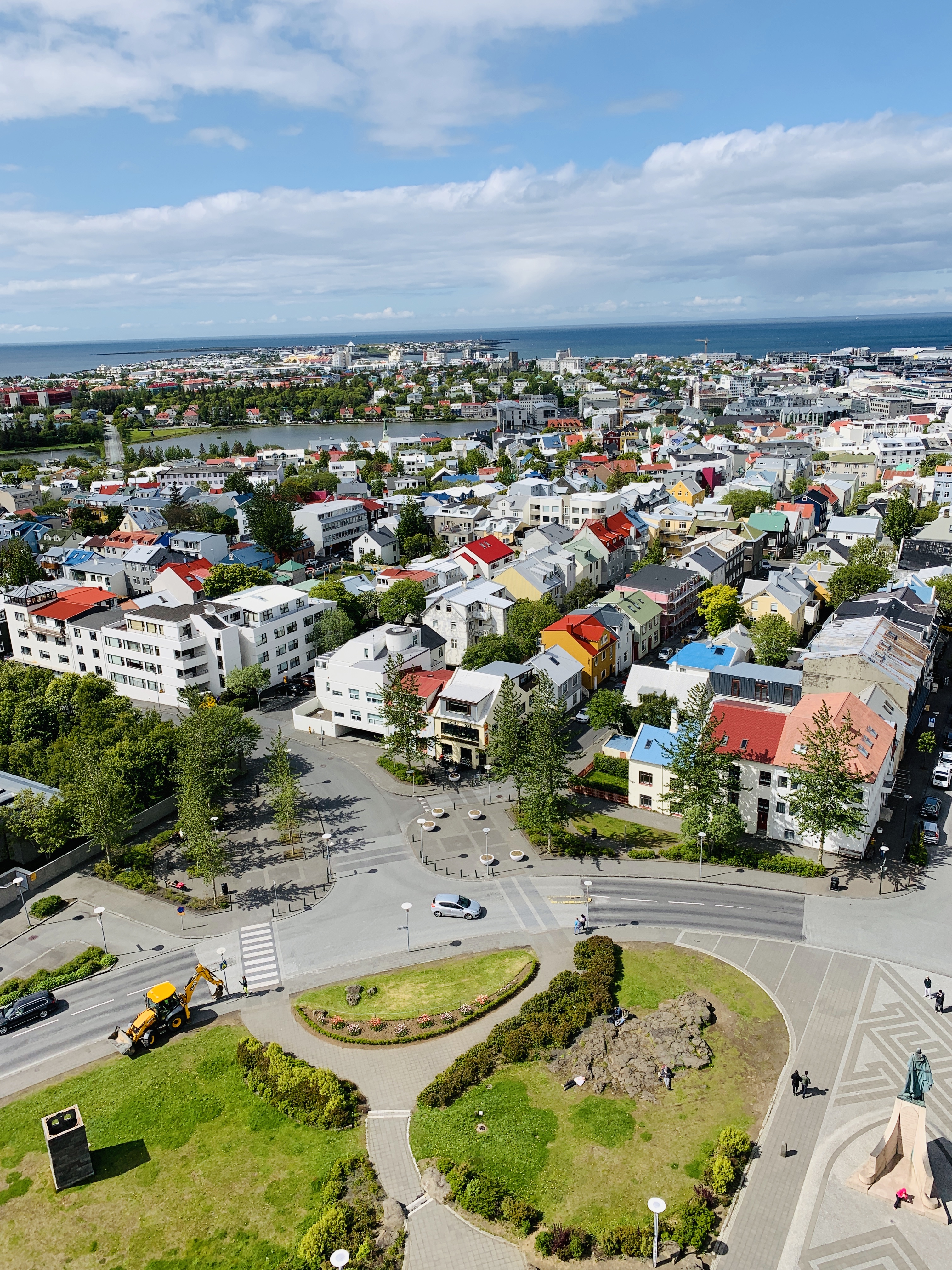
On our first official day in Iceland, we went on a city walk tour and made a visit to the popular Hallgrímskirkja church. Our tour guide, Eric, walked us through downtown stopping at various points to teach us about the history of the island. First, we learned about the architecture. A few years ago, there was a city wide fire and since most all of the houses and buildings were built out of wood, most of the city burned down. Today, you can find most houses rebuilt out of concrete or metal siding to protect them from deterioration which is something that the tour guide pointed out as a prominent change to their city’s architecture. We made a stop at the cities previous prison where we learned about the prison system in Reykjavik. The prison only held 12 inmates and it wasn’t until 2016 until the facility was moved outside of the city and added more rooms to make up a grand total of 32 cells. Eric explained that many people sentenced to prison are on a waiting list since there are so few rooms due to such little crime. The most prevalent crime is tax fraud and murder is extremely uncommon. After the prison, we made our way to the town hall. Here we observed an impressive three dimensional map of the island. It was amazing to see how small Reykjavík was compared to the size of the island. The city houses 85% of the population and the rest of the Icelandic population live in small towns along the coast line. In order for a town to be recognized on the map, there must be at least 100 people living in that area and anywhere inland of the coast is completely inhabitable due to Icelands vast glaciers. Our final stop was at the Hallgrímskirkja church. This church is major tourist attraction due to its size, structure, and incredible view from the top. Taking over 40 years to build, its structure mimics a geyser and stands 244 feet tall. The church stands as a major landmark and the overlook provides a 360 degree view of the city and all of its colorful roofs.

Women Aware

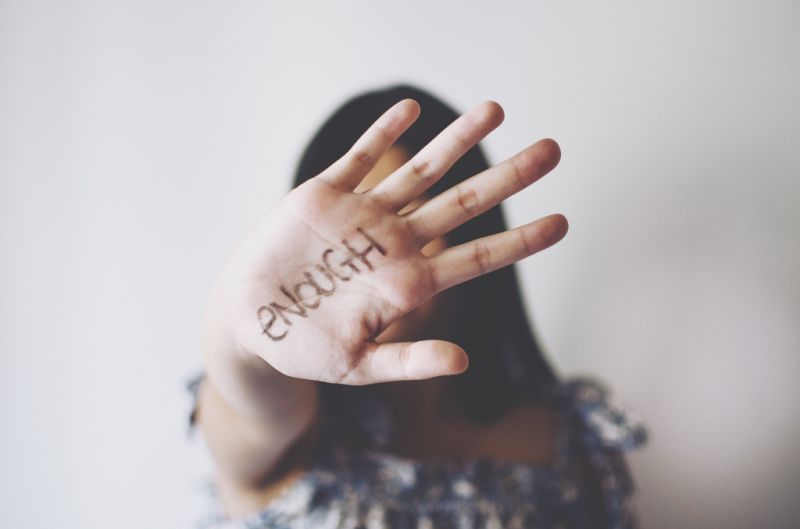
Today, we visited a domestic violence center called Women Aware. This organization provides support for victims through counseling, emergency hot lines, along with other resources and also works to teach domestic violence prevention. They go into different areas of society, such as schools and public centers, to explain the different types of domestic violence and how to recognize the signs of it. The woman who spoke with us, June Michell was a victim herself and also, one of the original founders of the organization. Her and a few other women were part of a victim group that they decided to continue at the end of the allotted six weeks and in turn, created Woman Aware. She shared many interesting points with the group about her perspective as a victim and many of the clients she has worked with in the past. One common theme was the idea that domestic violence truly is a toxic cycle. On the individual level, a woman may be afraid to leave due to fear or financial incompetency. She also brought light to the issue of domestic violence affects on the family level with the fear that it will continue to pass on from generation to generation. In other words, there is a risk that children will absorb the behavior of their parents and possibly result in the same problems in their own relationships. Michell is currently trying to “change the face” of domestic violence and targeting young individuals first.