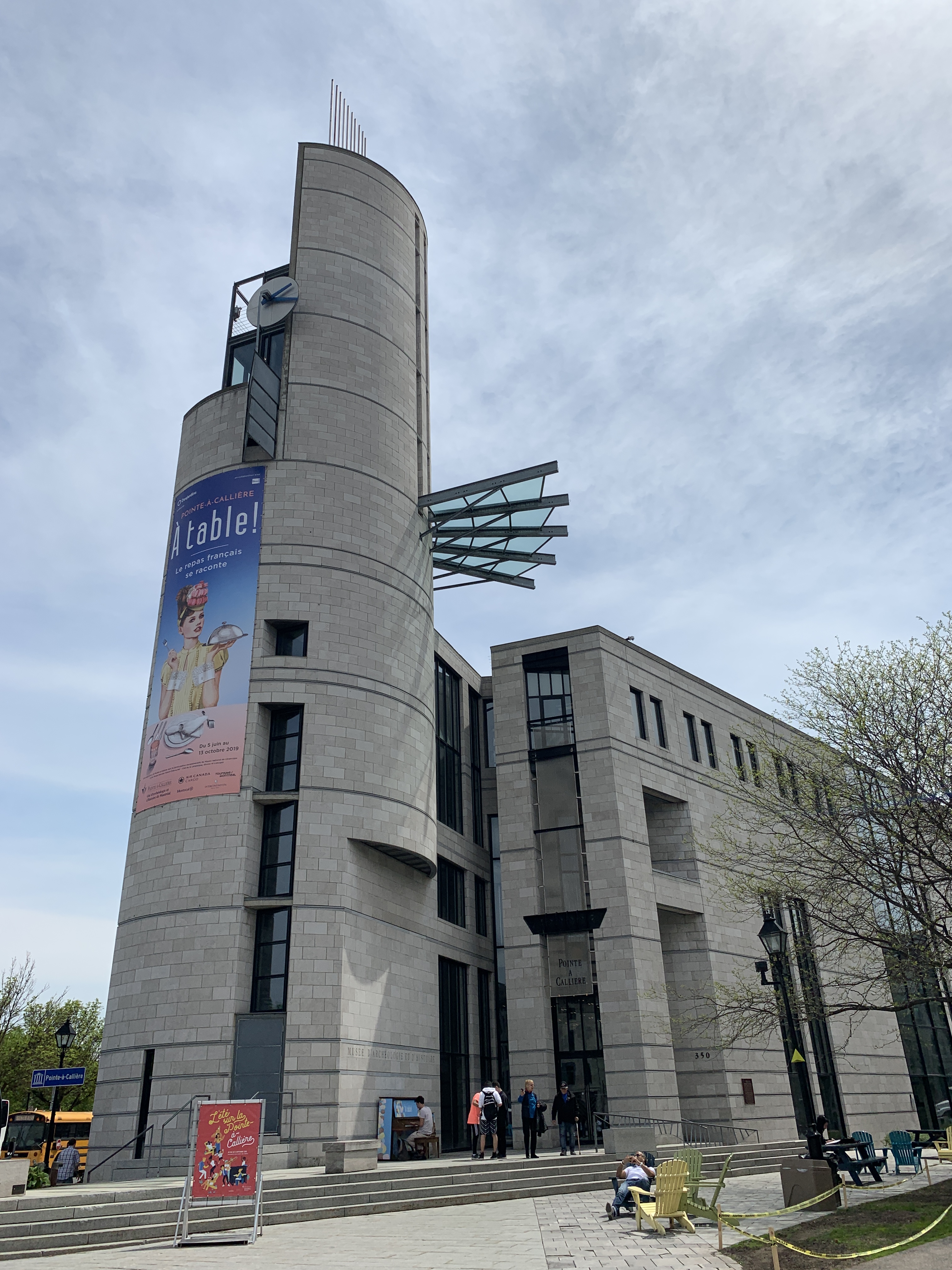
Pointe-á-Calliére Museum

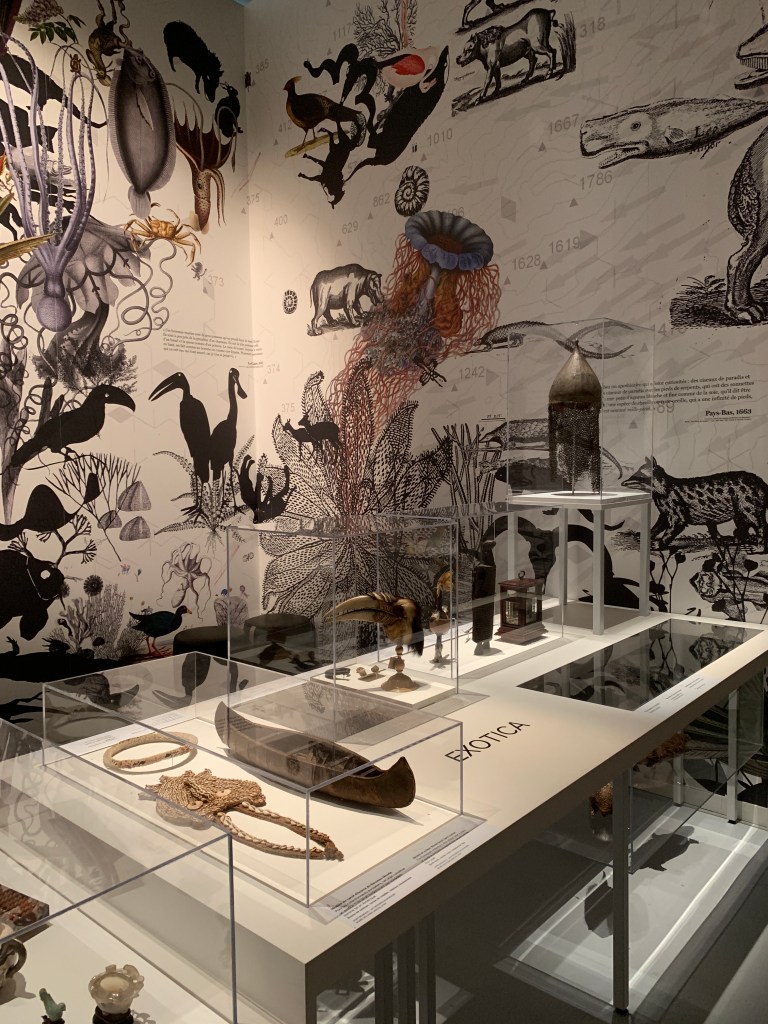
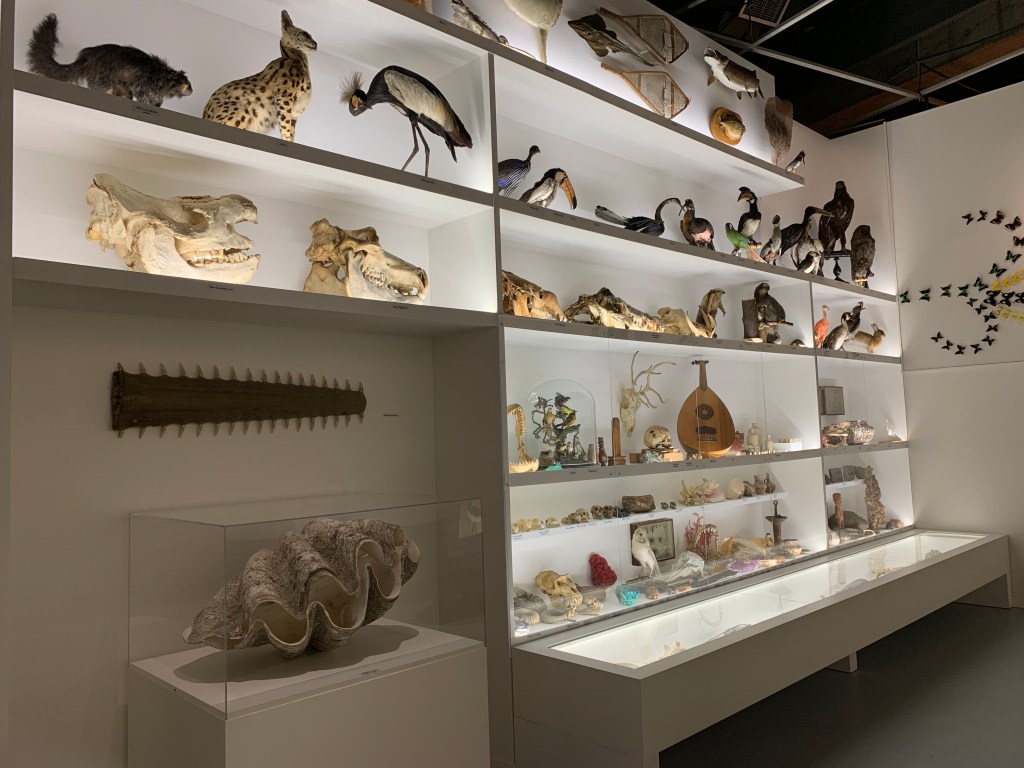
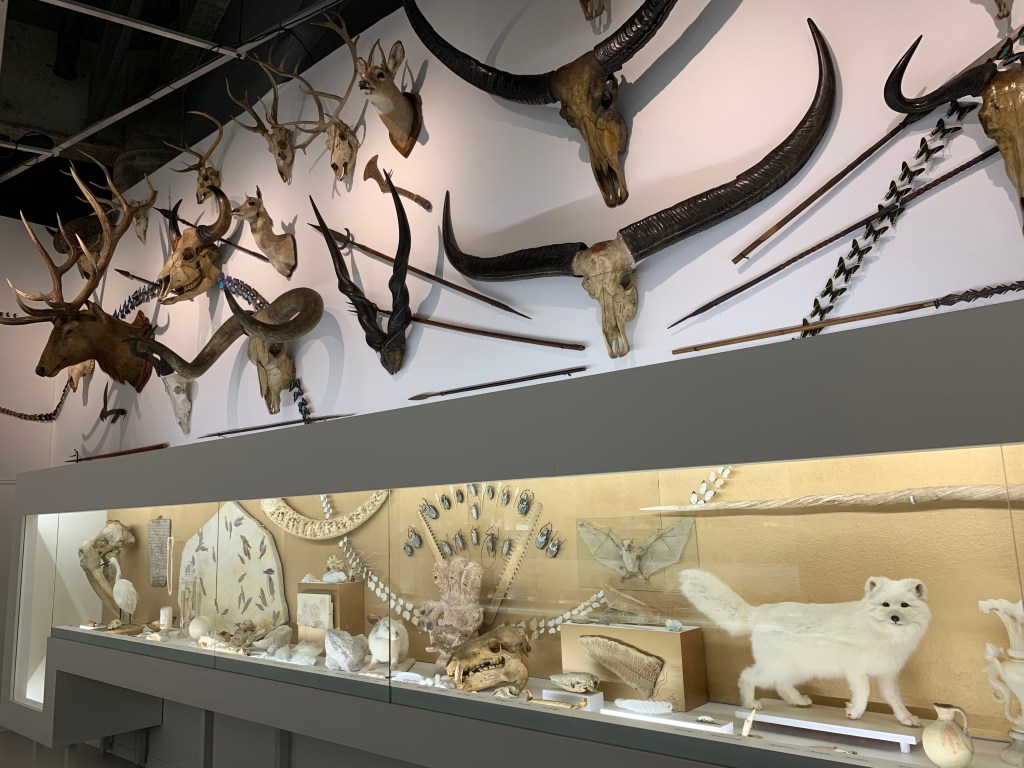
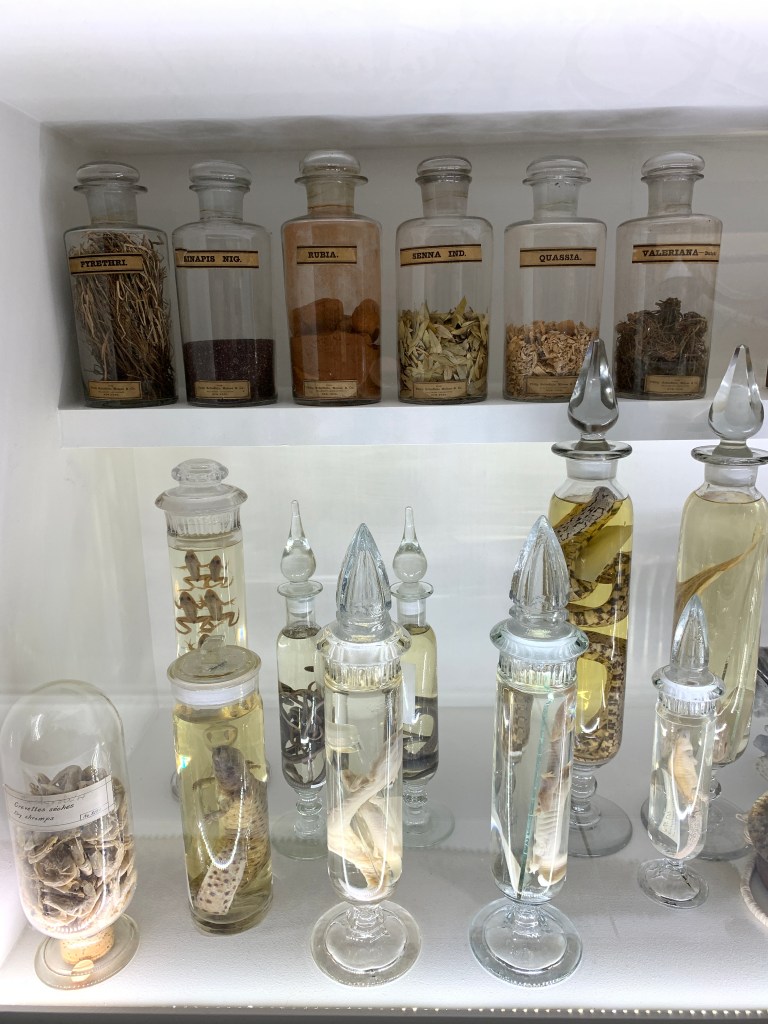
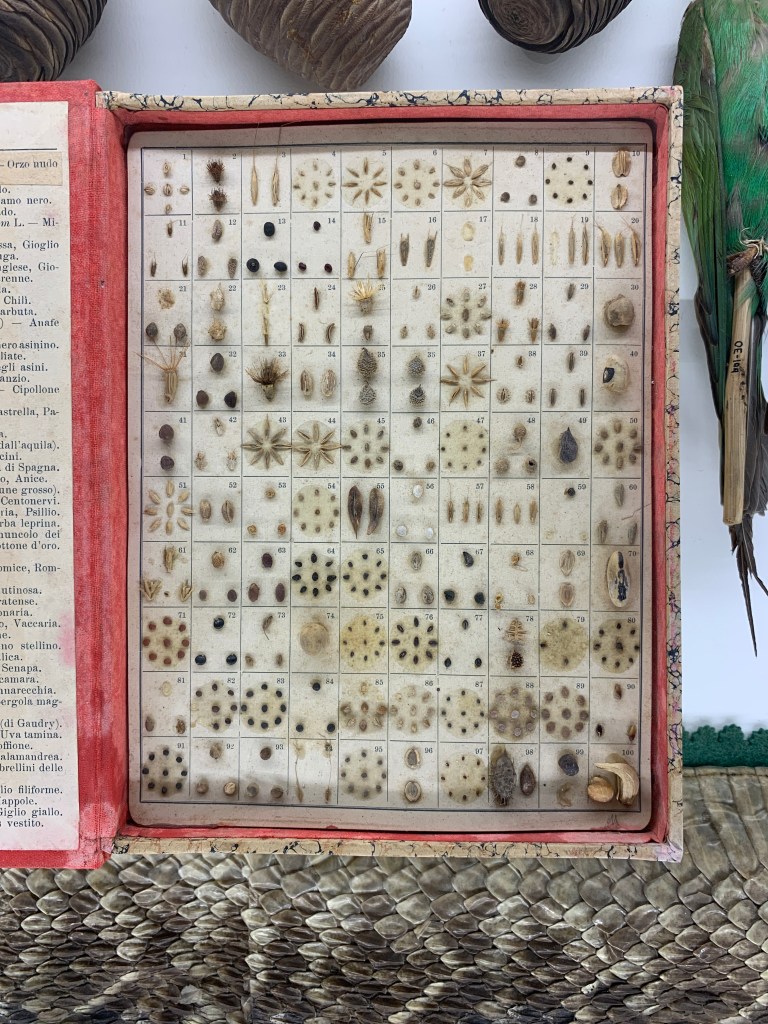
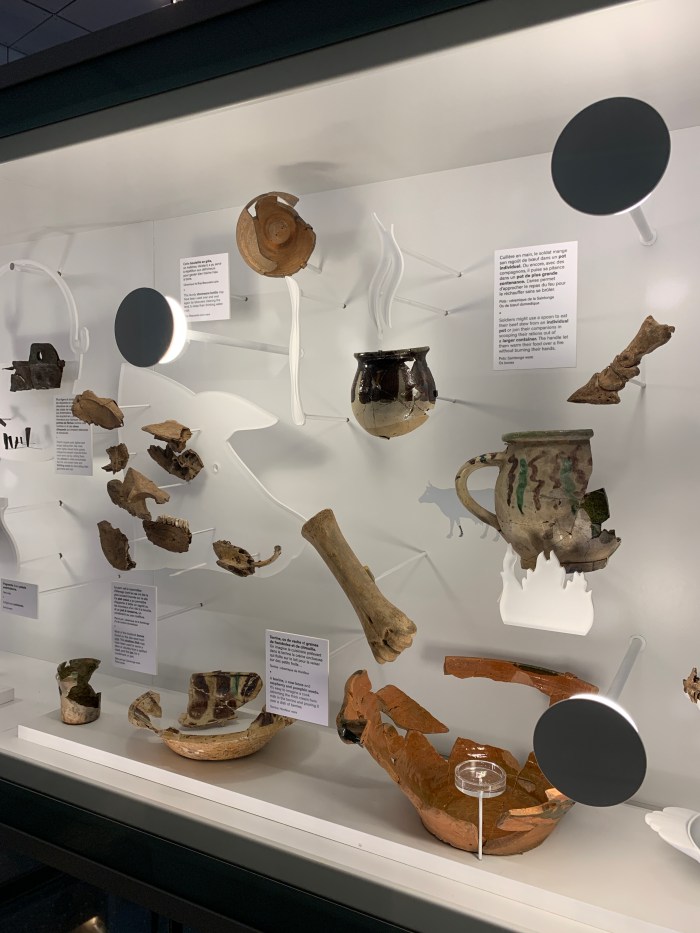
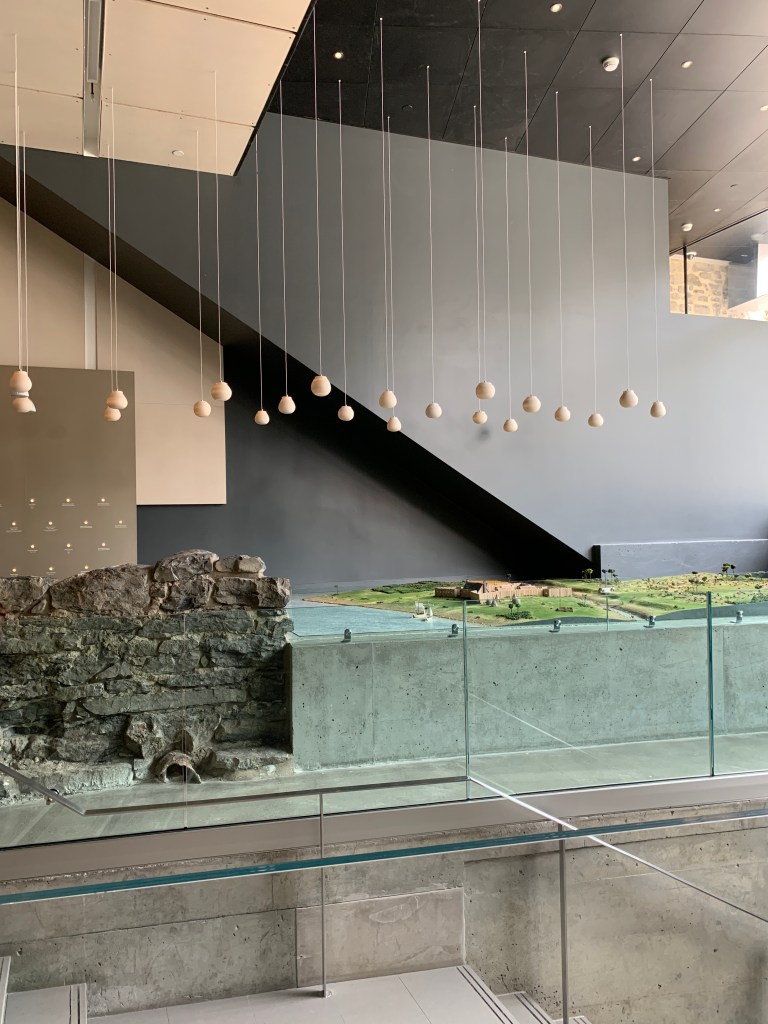
One of the best ways to understand a culture and learn about a city is to visit a museum. This museum in particular is one of the most famous in all of Canada and actually sits upon the exact land where Montreal was founded. While I enjoy art museums, I am not particularly fond of archaeological museums but this one was exceptionally interesting and worth the visit. After spending two hours inside, I still felt like I didn’t get to see everything. Many of the exhibits were interactive and videos played behind three dimensional maps and artifacts explaining the rich history that Montreal has to offer. A video in the first exhibit showed how founder, Paul de Chomedey de Maisonneuve, discovered the land and created the city with the indigenous people. Artifacts showed how they used the land for resources and how they lived in the beginning years. The exhibitions dedicated to the way the indigenous people lived before the French began to settle there were just as intriguing for me. Like most museums, there was also a temporary exhibit called ‘Into the Wonder Room’ that we had time to explore. This exhibit was a compilation of rare and unique items that collectors from around the word showcased in what they called ‘Wonder Rooms’, basically a collectors heaven. It is difficult for me to put into words how fascinating this exhibit truly was. There were collections of animals, trinkets, and toys that you would never expect to see.
Coalition des Familles

One of the organizations we visited in Montreal was a coalition that serves as an activist group for lesbian, gay, bisexual, and transgender individuals and families. We sat in the small office of the organization’s manager and spoke extensively on what it meant to live in Montreal as an LGBT individual and what the organization’s goal and accomplishments were. Overall, their main focus is to raise awareness, socially and legally, and provide workshops for those and their families. Coincidentally, our hotel was actually located in the Gay Village of Montreal so before our visit we had already witnessed some expression of this. Even though we stayed in area where LGBT individuals were very clearly accepted by the community, we learned in our meeting that this not always the case across Montreal. Our speaker did admit that Montreal is much more progress than the United States regarding the attitude towards being gay or transgender but that there is still much work to be done. She shared children’s picture books and other learning materials with us that addressed the issues and solutions to finding one’s identity and being able to embrace and accept it at a young age. A particularly interesting educational tool, not yet on the market, that she shared with us was a doll called ‘Sam’. Designed like a Russian nesting doll, Sam told the story of a young girl experiencing confusion with her identity and eventually becomes a transgender male. I found this toy/tool so intriguing because it made me realize very quickly that I was not aware of how early these decisions can be made by an individual. Actually, the entire visit made me realize how little I knew about the LGBT community at all. I walked away with an appreciation for groups like this one who continue to advocate for these individuals.

Day One in Montreal

Mount Royal

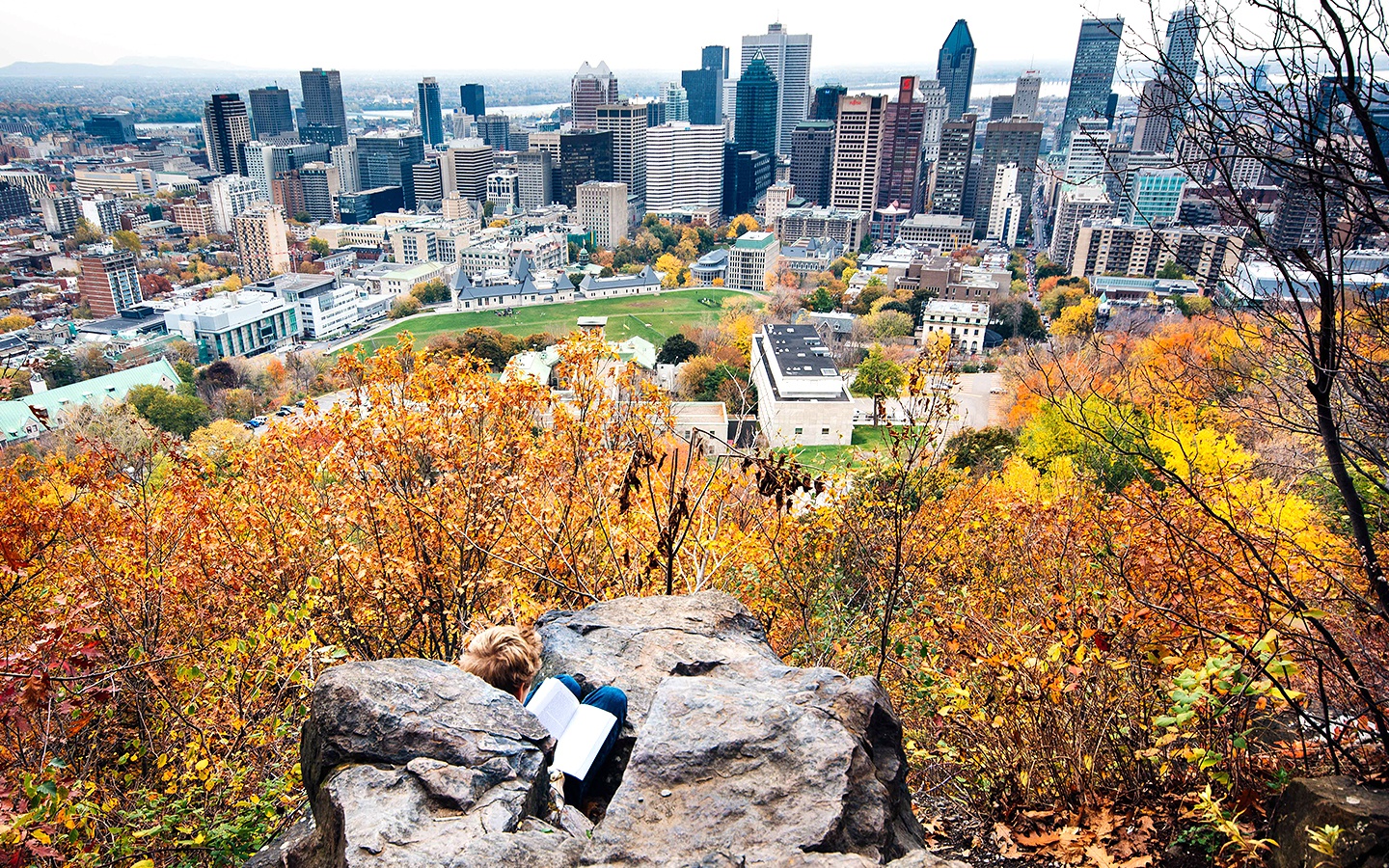
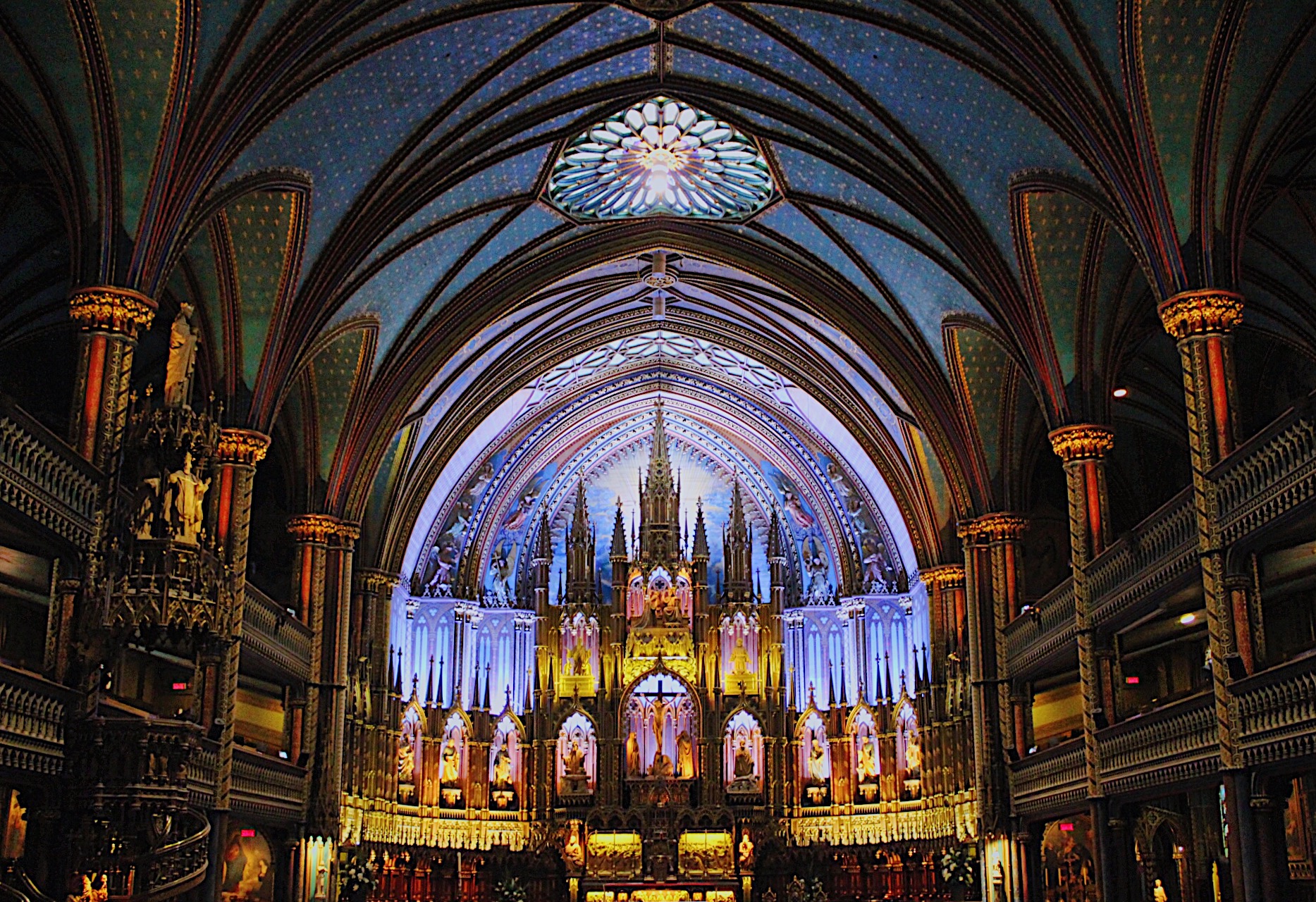
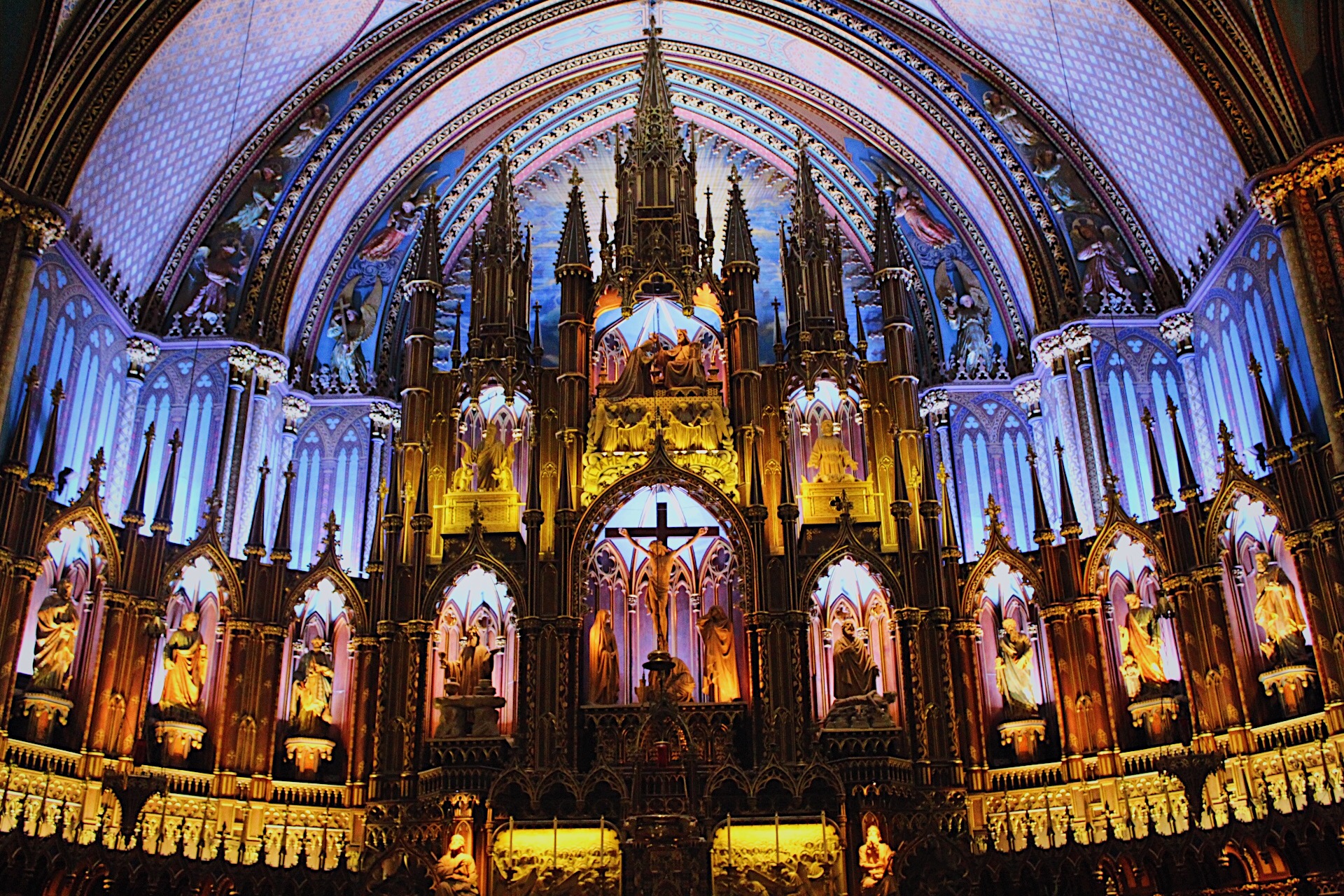
On day four, we packed our things, said goodbye to the quaint city of Quebec, and moved to Montreal. Our first day in the city consisted of a brief tour by bus, a stop at the famous landmark, Mount Royal, and a visit to the Notre-Dame Basilica of Montreal. Mount Royal is a mountain located just outside of the city streets where its lookout provides an amazing view of downtown Montreal. We spent some time here taking pictures and orienting ourselves to what we had seen on our bus tour thus far. After this, we made our way to Montreal’s Notre-Dame Basilica. Here, we had the opportunity to learn about the churches history and traditions. Originally designed and partially built by New York architect, James O’Donell, it is the largest church in North America today, seating over 8,000 people. It is the oldest standing Catholic church in Montreal. Whether you are religious or not, this building is truly a piece of art. The immaculate detail and overall architecture make it possible to spend hours just observing. I found many of the places I visited on this trip hard to capture within in a photo and this church was definitely one of them as the pictures do not do its beauty justice.

Notre-Dame Basilica of Montreal

Old Quebec

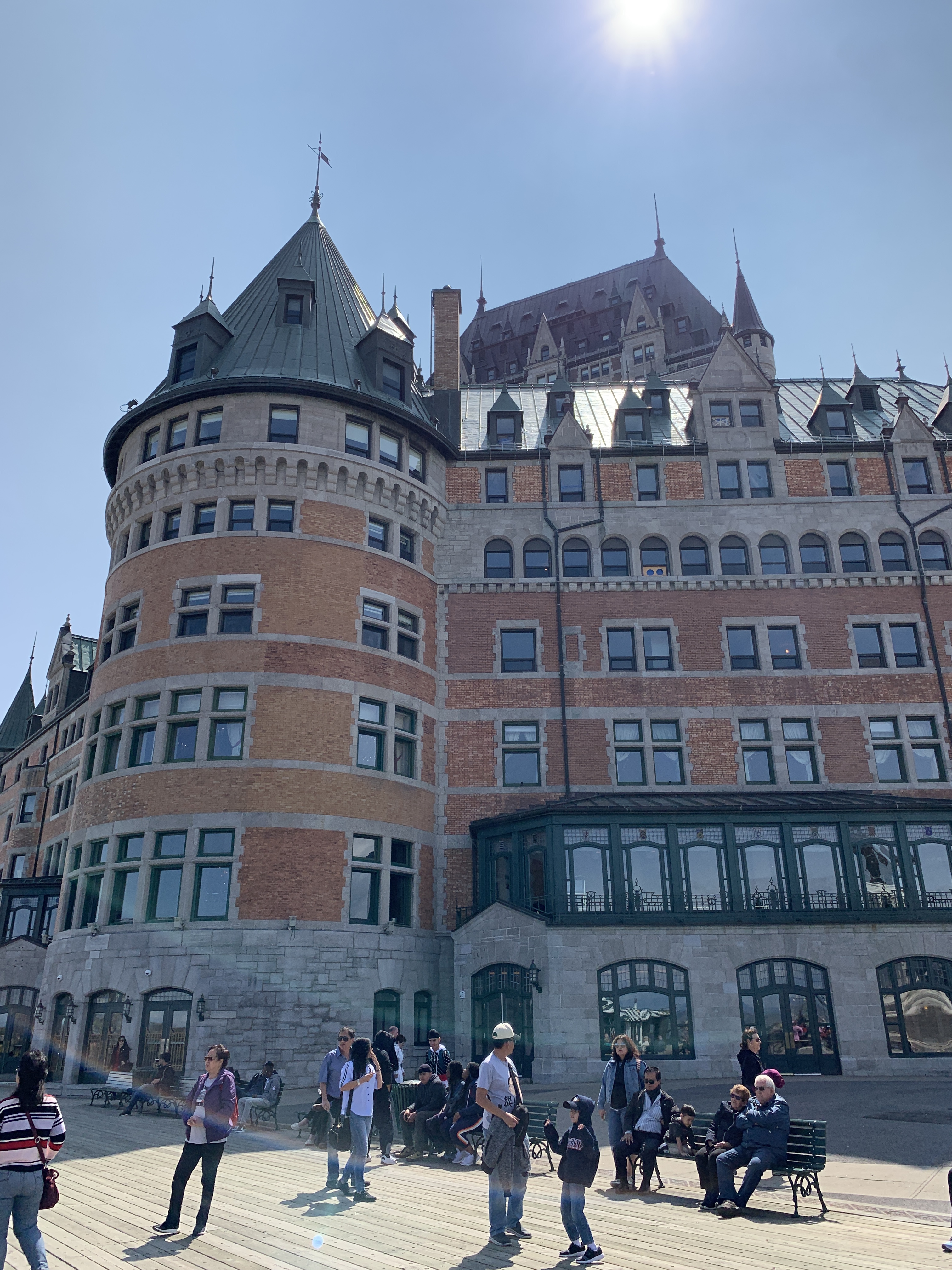
The city of Quebec is divided into an upper and lower portion. In lower Quebec you can find many restaurants, shops, and boutiques. In upper Quebec tourists enjoy the amazing hotel, Chateau Frontenac, located on a boardwalk that overlooks the St. Lawrence river. The hotel is enormous and beautifully designed like a castle. It sits upon the ruins of a castle that once stood in its place and you can even go below the boardwalk to view the basement of the previous castle. A little further up, you can see the Citadel of Quebec. The Citadel is an impressive fortress set up by the British, who once ruled Quebec, for protection against any future attacks by the Americans. The fortress today is a still an active military site and also the home of the Canadian monarch and the Governor General. Tourists can visit the site to learn about its impressive structure and learn about the history of the city’s beginnings. I learned on the tour that the grounds were specifically located on the highest point of Quebec City, overlooking the St. Lawrence river. It is shaped in a star which provides a 360-degree range of coverage for the military site. Although they were never infiltrated or attacked, these military grounds remain an impressive site to see.

Montmorency Falls

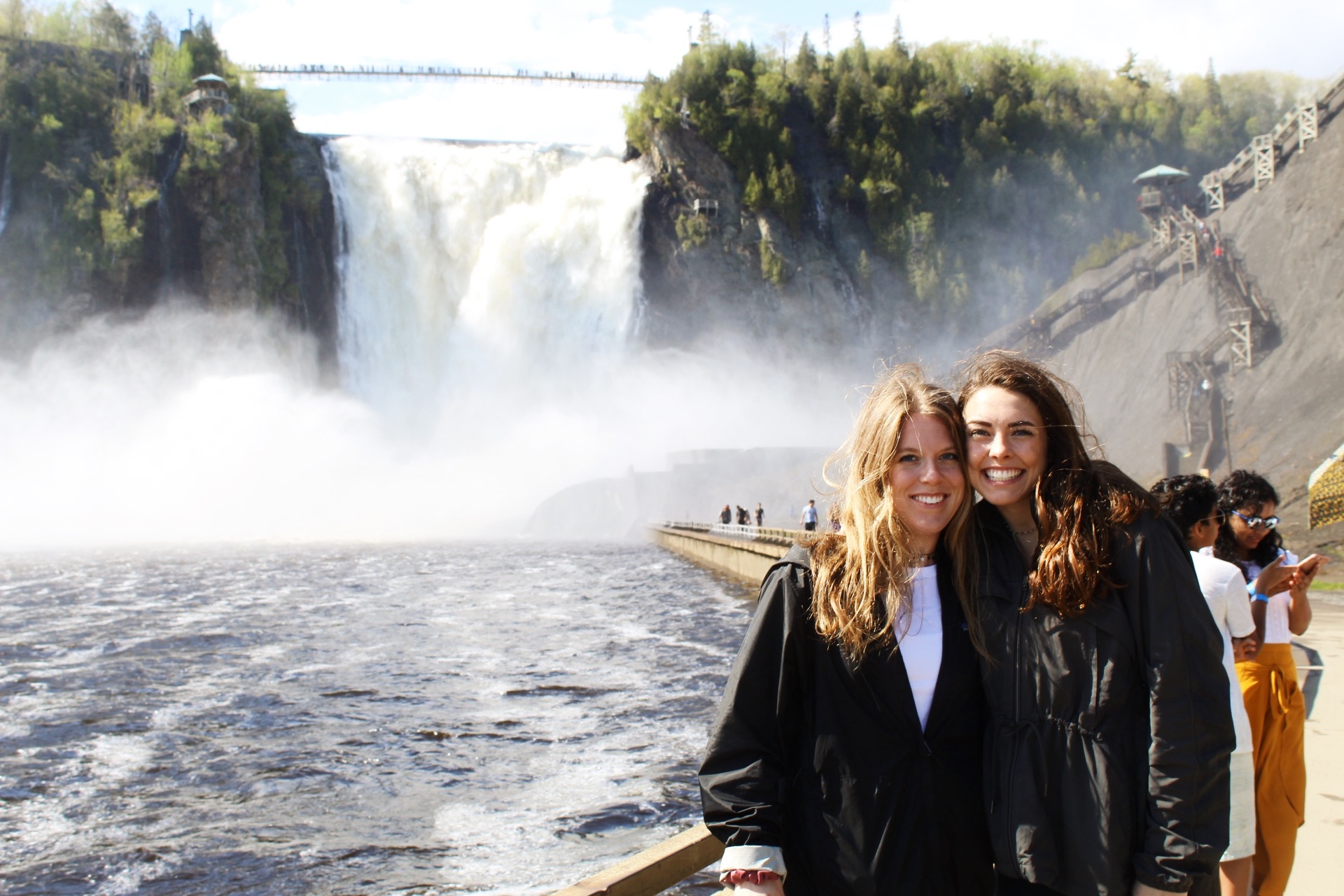
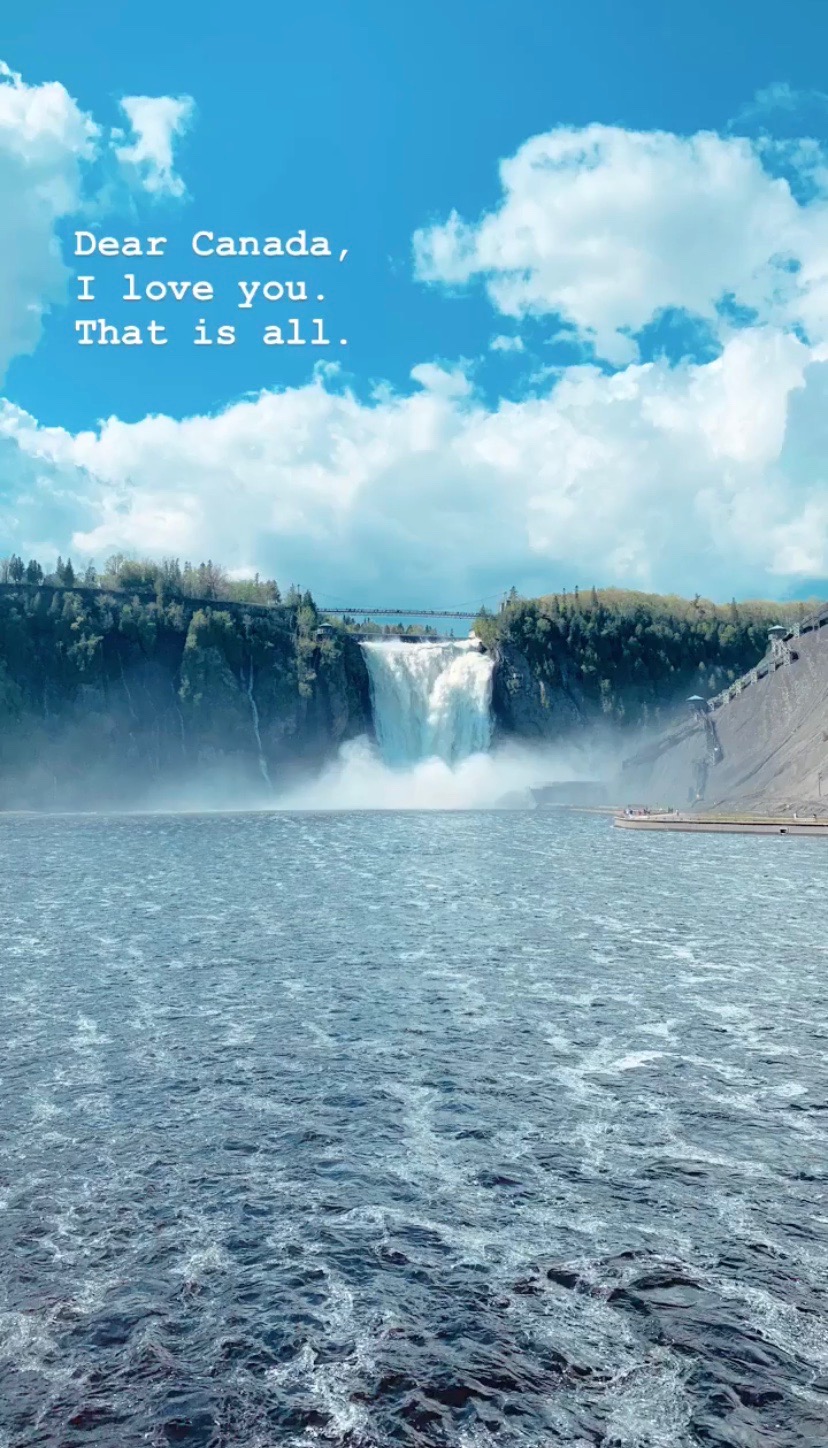
Quebecs rich history, European charm, and delectable French food make the territory a popular spot for tourists. There are many famous landmarks in and around the city that you will want to visit if you ever find yourself in the area and Montmorency Falls should be at the very top of your list. This waterfall is quite possibly one of the most amazing things I have ever seen. It is the highest waterfall in Quebec and surpasses Niagra Falls by almost 100 feet. When a group of us decided to go on our day off, we didn’t expect it to take us longer than an hour or two. We were clearly unaware of how much time one could spend simply observing the beauty and magnitude of this attraction. There are multiple look out spots to stop on the way up and down and a suspension bridge that stretches across the falls. With a small, once in a lifetime experience, totally worth it fee, you can also zip line across. I screamed for dear life the entire ride but easily would have done it a hundred more times if there wasn’t such a long line. However, if you have a fear of heights, the most amazing view was from the very bottom. You will probably find yourself soaked by the mist once you reach the bottom but turning around and looking up from ground level will make you completely forget that your phone may or may not have water damage. We spent a significant amount of time just staring at the falls in awe and after a million pictures (that don’t even do the falls justice), we left with very vivid imagery of one of Canadas most beautiful attractions.

Huron Traditional Site

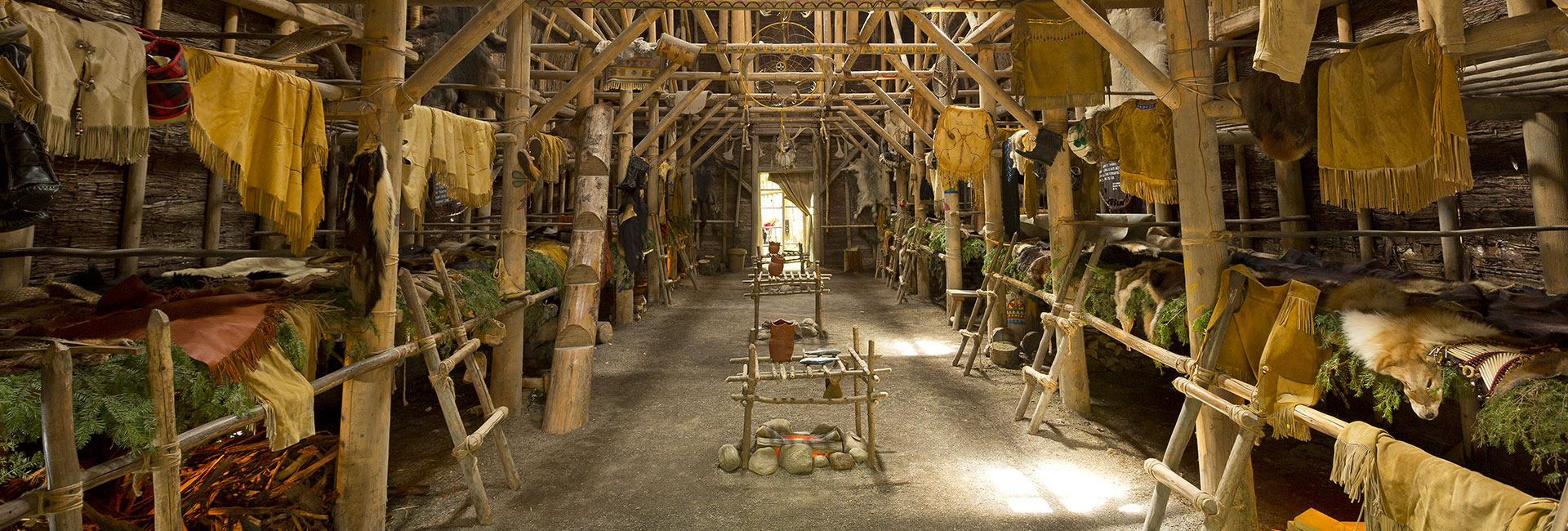
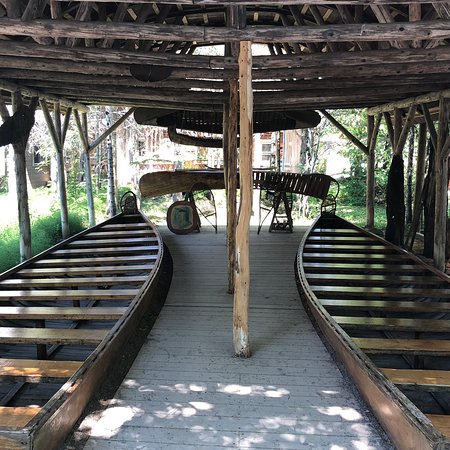
One of the main reasons we began in Quebec City was to visit the Huron Traditional Site. This reservation is dedicated to sharing the history and culture of the indigenous people of the area, also known as the people of the first nation. On the way there, our driver explained to the group that the indigenous people did not pay taxes and in order to live within the reserve, you either had to be part of the Huron heritage or married into the tribe. Driving into the reservation, we noticed that the houses were not much different than the others we had seen in Quebec. Other than the street signs written in a different language, the neighborhood looked no different than what you would expect of a typical suburban neighborhood to look like. We arrived and our tour began inside a traditional longhouse where we learned how families lived among each other. As we walked through the site, we learned everything from the history of their tribe, how they survived the cold Canada winters, and their traditional medicine and spiritual beliefs. Our guide was passionate and knowledgable about his ancestors and heritage. He was a proud native but when we talked about the traditions that still exist today, it was obvious that he was upset about the lack thereof. He expressed his grief that their native language was completely lost and that it is just now being reintroduced into the school on site. Many people living in the reservation have also had to find new jobs as modern manufacturing has put many of their on site jobs out of business, for example, those who sold hand-made canoes and snow shoes.

Study Abroad Expectations

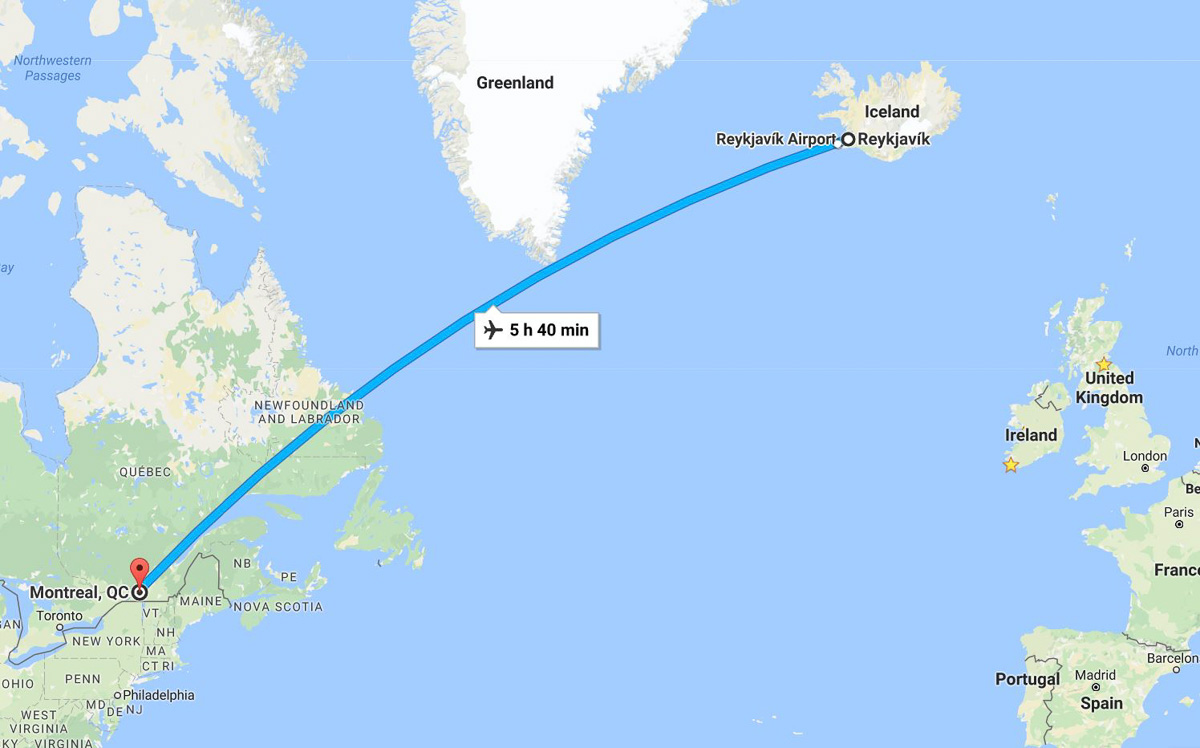
Our pre-departure meetings and assignments allowed our group to learn about Canada and Iceland from an outside perspective. Based on research and conversations with those who have traveled to Canada, I expect it to be similar to the United States in many aspects. Something I have to remind myself of when thinking about Canada is that its size offers many different cultures to thrive in the same country. For example, Quebec’s landscape and architecture is often compared to Europe and most residents speak French. Montreal, on the other hand, is mainly an English speaking territory and has more of a ‘big city feel’. I do not have as many expectations about Iceland. Some of my friends who studied abroad last semester visited and said that it was the most beautiful place they had ever been. They also warned me that Iceland is very expensive. Upon further research, I found both of these comments to be the true for many other travelers as well. I have read many travel blogs on both Canada and Iceland and cannot wait to explore the two areas for myself. As far as healthcare, the main difference when comparing the systems to the United States is that both Canada and Iceland have universal healthcare. By the end of the trip, I expect to know the advantages and disadvantages to both systems and how it affects the country and the individual.

About Me

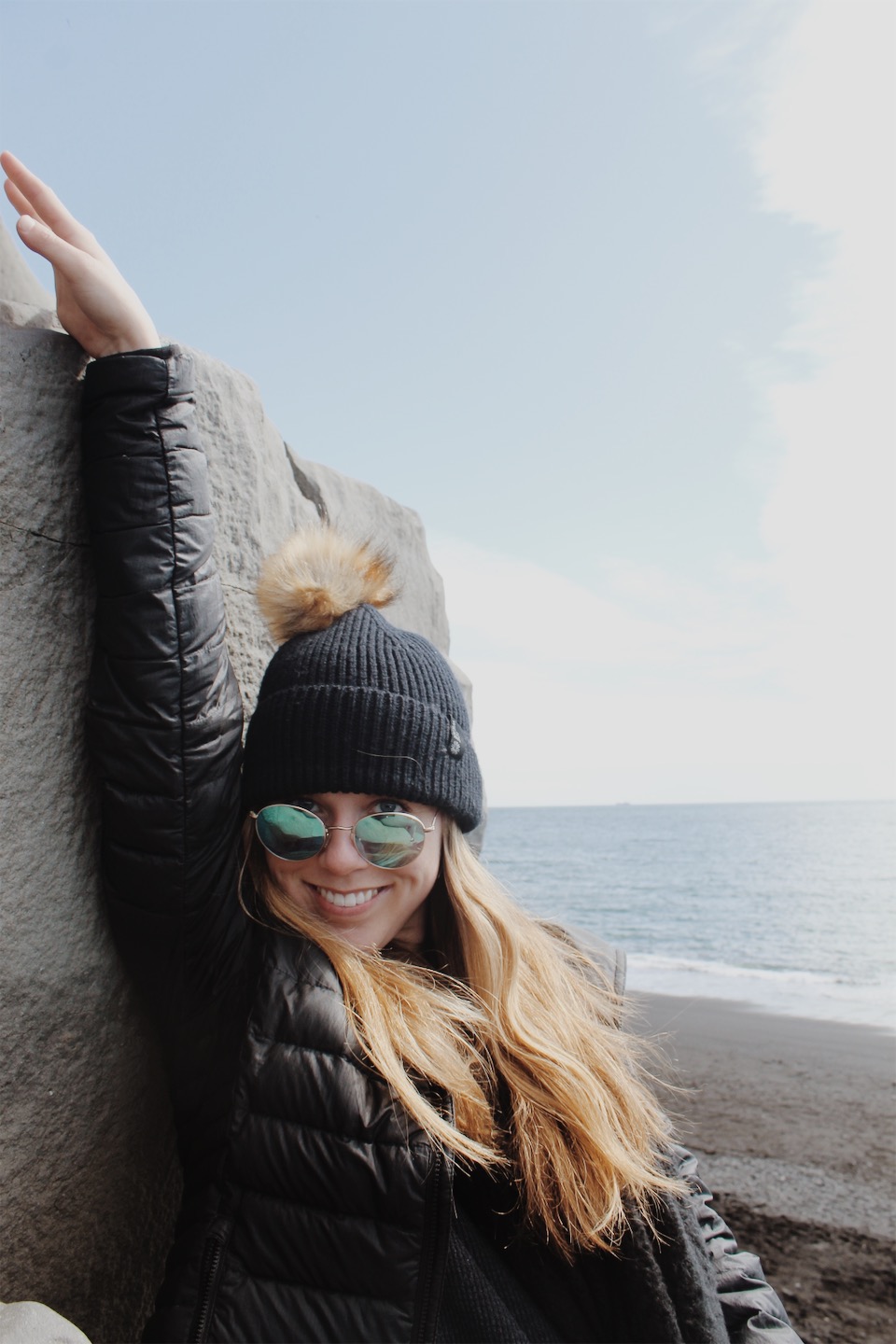
Hi! I’m Stephanie and for the next three weeks I will be sharing my experiences as I travel through Canada and Iceland. I am currently a rising senior in the Harris College of Nursing at Texas Christian University. My fellow colleagues and I are visiting these two countries to learn about the differences in healthcare and lifestyle with an emphasis on women. We will also be exploring Canada and Iceland on an environmental level, visiting many famous landmarks and national parks. Please follow me throughout my journey and feel free to leave any comments!