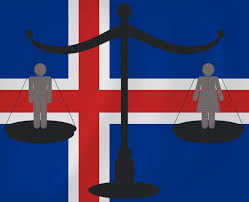
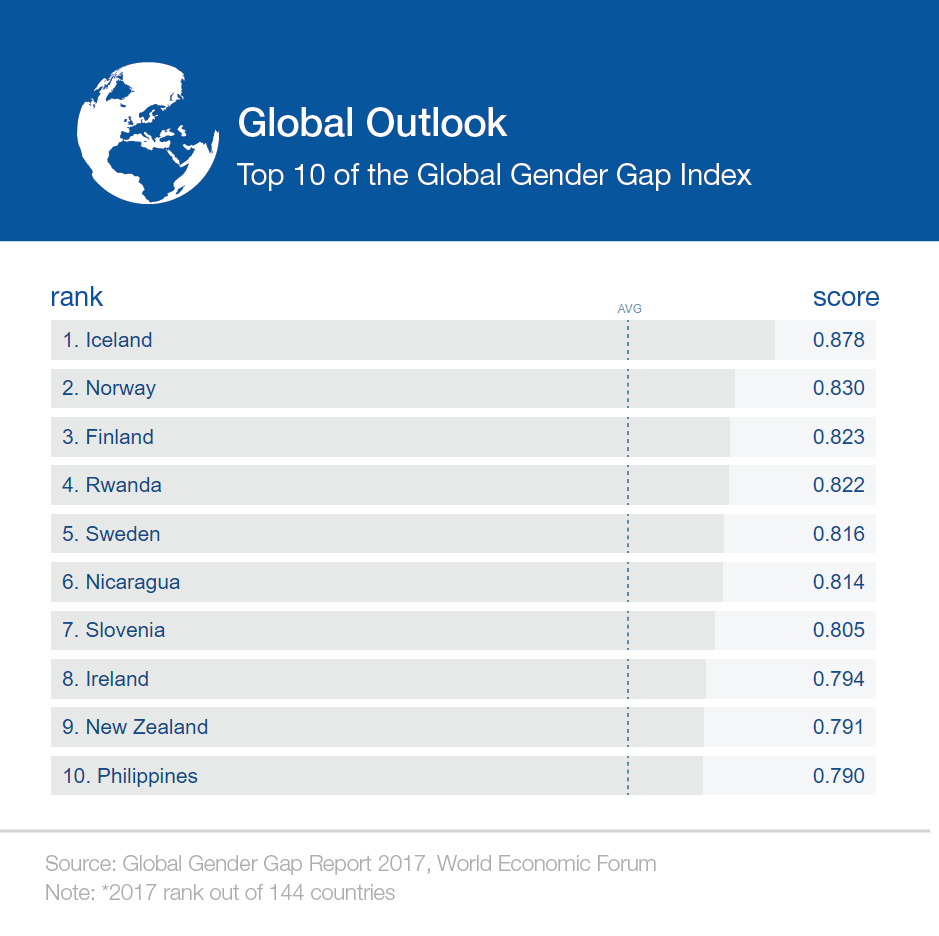
Before coming on this trip, I pictured all of our meetings with speakers and organizations to be in large conference rooms, at a long table, listening to presentations that only allow for questions at the end. While this is how a few of our meetings have been, some of them are held in quaint office spaces where we sit closely together, silently observing the decorations in the room before diving into meaningful conversation about the topic at hand. This is how it was at the Icelandic Women’s Rights Organization and the setting could not have been more appropriate for our visit. We openly spoke about everything from the definition of feminism to the attitude surrounding sex, birth control, and abortion in the country. Prior to the trip, we were asked to do some research on these topics specifically and I was surprised to find out that some of my understanding about women’s rights was false. Iceland is ranked number one in gender equality and has been for the past seven years, yet, there is still a wage disparity for women. Our speaker explained to us that the small percentage that represents this pay gap has been skewed by factors that should not be taken into account when comparing the raw numbers. Income inequality is not the only issue. Sexual harassment, underrepresentation in political positions, and general discrimination against women still exist as well. The craziest part about all of this, is that Iceland does have a large number of women represented in their political system, and their businesses are required to present a 40:60 ratio women to men, and it is considered the safest country in the world yet they are not 100% gender equal. During our final debate, this is something we tried to really dive into: what would a 100% gender equal country look like? And is the solution attacking the laws and policies or is it changing the overall stigma?

 A broad to specific understanding